
 1 month ago
37
1 month ago
37
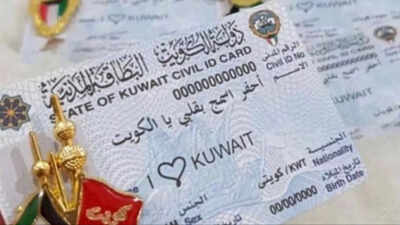
Kuwait Citizenship Forgery: How a Family's Lies Led to Mass Revocations and National Scandal?
In a striking development that underscores Kuwait’s intensified scrutiny of nationality claims, authorities have uncovered a complex citizenship forgery scheme involving multiple generations of one family, leading to mass citizenship revocations and criminal charges.
The case, which began not with a routine audit but with a domestic dispute and alimony complaint, has revealed how forged nationality documents were used to obtain Kuwaiti citizenship and the legal, social and institutional fallout that followed.What started with a Gulf woman’s alimony complaint against her ex-husband prompted investigators in the Citizenship Investigation Department to discover that the man was presenting himself as a Kuwaiti national when in fact, he had fraudulently obtained citizenship based on forged lineage.
The falsification, reports said, traced back to his deceased father and grandfather and extended to other family members whose nationality claims were similarly fabricated.Unlike ordinary naturalisation cases where lineage can be verified through official records, DNA and familial documents, this case involved deliberate manipulation of identity, including fake documentation and false parental links, that allowed dozens of people to benefit from privileges, rights and protections afforded to Kuwaiti citizens.
How the forgery unravelled in Kuwait: From alimony fight to national scandal
The explosive discovery came when the citizenship fraudster’s ex-wife filed an alimony complaint, expecting her former husband to pay support based on his claimed Gulf nationality. Instead, she found out that not only was he presenting himself as a Kuwaiti citizen, he had never held dual nationality as assumed; his entire status was based on documentation that was fraudulent.

Kuwaiti Citizenship Forgery Case Exposes Multi-Generational Nationality Fraud: A Deep Dive into Identity Crimes and State Crackdowns
In the course of the Citizenship Investigation Department’s probe, officials traced the manipulated chain of nationality back to the patriarch of the family, the man’s father, whose official identity documents did not align with the lineage he claimed on Kuwaiti records.
DNA samples taken from the deceased father’s real relatives confirmed that the official citizenship file did not correspond to the actual family lineage, proving the citizenship was obtained through forgery.This DNA evidence, a breakthrough in verification, underscored how deep the fraudulent scheme ran: 16 individuals were implicated and once the false claims were exposed, authorities began the process of revoking their Kuwaiti citizenships.
The ex-husband himself was arrested and legal procedures are underway against him and others involved.
A broader pattern of citizenship fraud in Kuwait
While this multi-generational forgery case has attracted headlines, it is not an isolated incident. Kuwait has been engaged in a wider national effort to review and police citizenship claims to preserve the integrity of national identity and ensure that citizenship is granted only to those genuinely entitled.
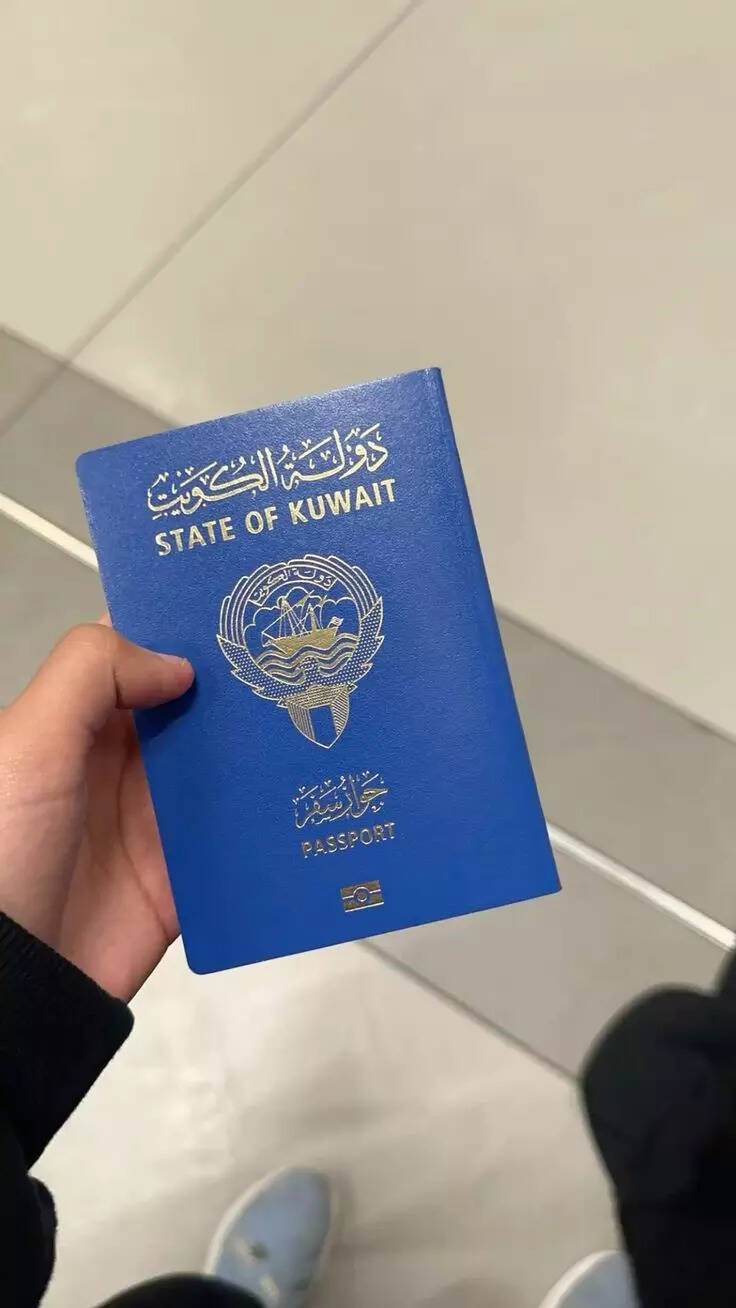
How Granddad’s Lie Unravelled a Multi-Generation Citizenship Fraud
In 2025 authorities revealed that nearly 50,000 citizenships had been revoked as part of a wider crackdown to identify individuals who had obtained nationality fraudulently or held dual citizenship without authorisation, which is prohibited under Kuwaiti law. The Supreme Committee for Citizenship Reviews national files systematically, often using biometric data and cross-jurisdictional records to uncover irregularities, reflecting a long-running concern about potential abuse of the citizenship system.Another high-profile revocation involved prominent Islamic preacher Tariq Al-Suwaidan, whose citizenship was rescinded by an Emiri decree due to alleged fraud in his naturalisation application, part of the government’s effort to enforce strict nationality rules. Kuwaiti citizenship carries extensive privileges and social benefits, including education subsidies, healthcare, employment rights, property ownership and civic participation that are not available to expatriates.The incentive to obtain citizenship, legally or otherwise, is therefore significant, particularly in a country where citizens constitute a minority of the total population and citizenship is both highly valued and tightly regulated. When fraudulent claims go undetected, the repercussions are profound:
- Citizens who should not have held nationality may enjoy rights and benefits unjustly, placing pressure on state finances and services.
- Genuine citizens may perceive inequality or injustice, eroding public trust in the system.
- Families who believed they were legitimately Kuwaiti may suddenly face status loss and legal limbo when fraud is uncovered. Social commentary in Kuwait highlights concerns that even descendants of past forgery cases could face revocation and uncertainty.
These deep societal implications are part of why the government has committed to a thorough review of nationality files and legal reforms, including a draft amendment to the citizenship law intended to tighten controls and clarify revocation grounds.
The reforms aim to reinforce sovereign control over nationality while deterring misuse.
Legal grounds in Kuwait and government strategy
Kuwait’s nationality law provides clear legal grounds for citizenship revocation, including fraud, forgery, false statements, holding dual nationality without grant or actions harmful to the supreme interests of the state. The review committee evaluates applications case by case and submits revocation recommendations to the Cabinet for decree publication.

Kuwait's Citizenship Scandal: Alimony Dispute Unmasks Decades of Forged Identities and Stolen Rights
This strategy has already resulted in large-scale reversals of granted citizenships, targeting those whose status was found unlawful during comprehensive reviews of national files. The government’s approach combines traditional documentation checks with advanced tools such as DNA testing and cross-border information sharing to ensure compliance with legal standards.The nationality crackdown has stirred public debate within Kuwait, with discussions on policy forums highlighting both support and concern.
Some argue that strict enforcement is necessary to protect national integrity and deter illegal advantages, while others worry about the impact on individuals and families who may lose citizenship due to historical actions of long-gone ancestors.This debate touches broader themes of identity, belonging and fairness. On the one hand, restoring strict nationality criteria reinforces fairness for genuine citizens and upholds the rule of law; on the other, it can disenfranchise individuals who were unaware of their forebears’ wrongdoing, leaving them in legal and social limbo.
What’s next: Legal reform and national review in Kuwait
As the Citizenship Investigation Department continues its probe, Kuwait is poised to strengthen its legal framework related to nationality, with new laws expected to tighten criteria for citizenship acquisition and revocation. The draft legislation sent to the Emir aims to create stricter boundaries for nationality administration, safeguarding both national interests and the rights of citizens. This ongoing push for reform, combined with technological advances in identity verification, reflects a broader trend in Gulf countries toward fortifying national identity systems and combating fraud that could undermine social stability and governance.A multi-generational citizenship forgery case in Kuwait began with an alimony dispute, exposing forged nationality claims rooted in fabricated lineage. DNA testing and in-depth investigation proved the forgery, leading to revocation of citizenship for dozens and detention of the principal suspect. The case fits into a broader national crackdown on falsified nationality claims, with tens of thousands of citizenships revoked in recent years.
Kuwait’s nationality law allows revocation for fraud, forgery and other serious violations, which authorities are now strictly enforcing. The issue has sparked debate over identity, fairness and the impact of revocations on families and society.







 English (US) ·