
 3 weeks ago
28
3 weeks ago
28
On the eve of the January 14, 2011 revolution, Tunisia was neither an ideal democracy nor the economic “dragon” of the southern Mediterranean that official propaganda portrayed it as. Public and individual freedoms were restricted, clientelism was widespread, development was unequal and unbalanced, and the regime controlled everyday life with an iron grip.The “Tunisian model” was marked by serious imbalances, many of which helped spur the revolution. Regional and social disparities in the distribution of wealth and opportunities created a growing sense of injustice among large sections of the population. When protests erupted following the mistreatment of a street vendor in Sidi Bouzid by municipal police officers and his subsequent suicide, they developed into a nationwide uprising that ultimately transformed the country’s political, social and economic order.But acknowledging the injustice Tunisians endured before 2011 should not obscure another reality: The state had a cohesive administration, managed an open economy that maintained its main macroeconomic balances to some extent, and provided public services that met citizens’ needs to some degree.The economy was far from delive...
Related

Russian-born businessman elected as new world chess chief
45 minutes ago
1

Germany's AfD, that pulled off stunner in polls, backs probe...
53 minutes ago
2


Popular

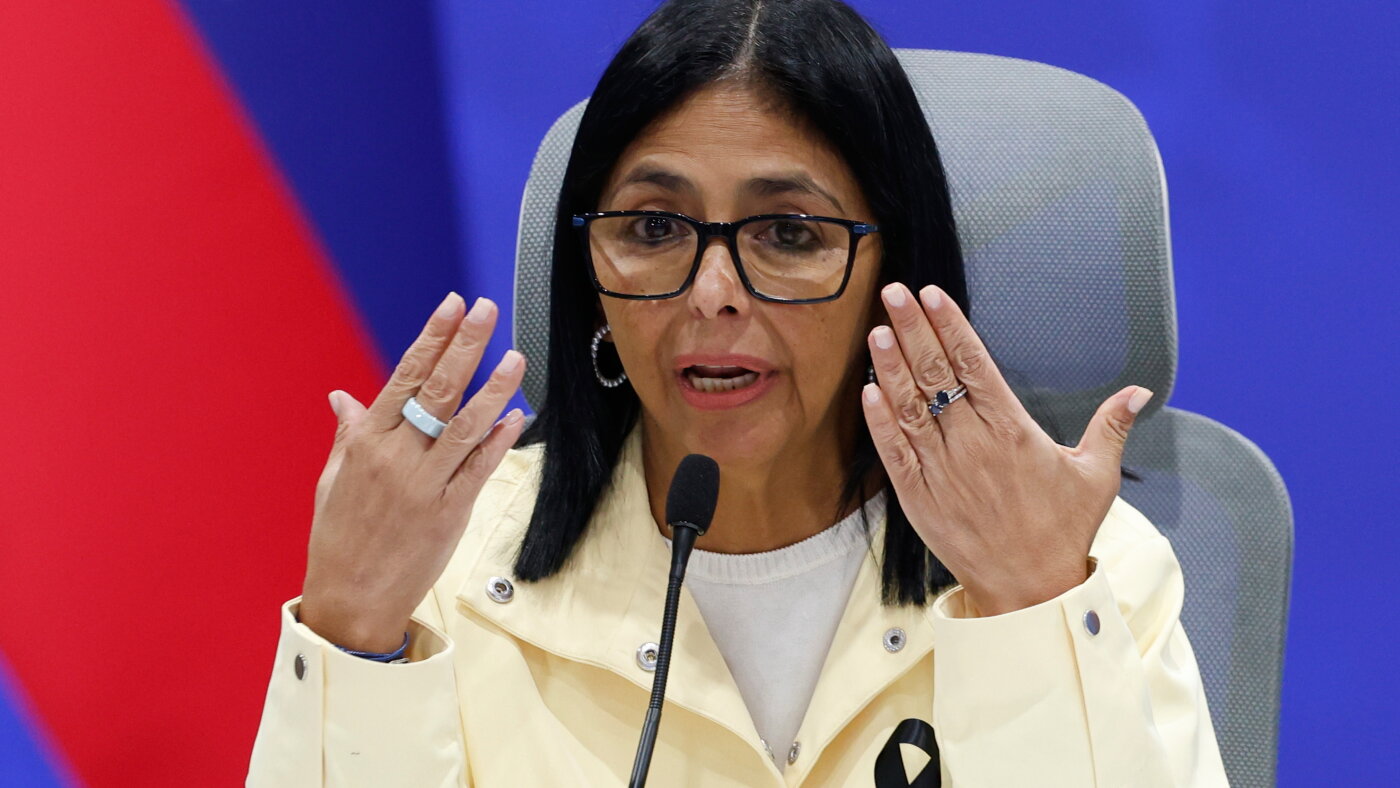


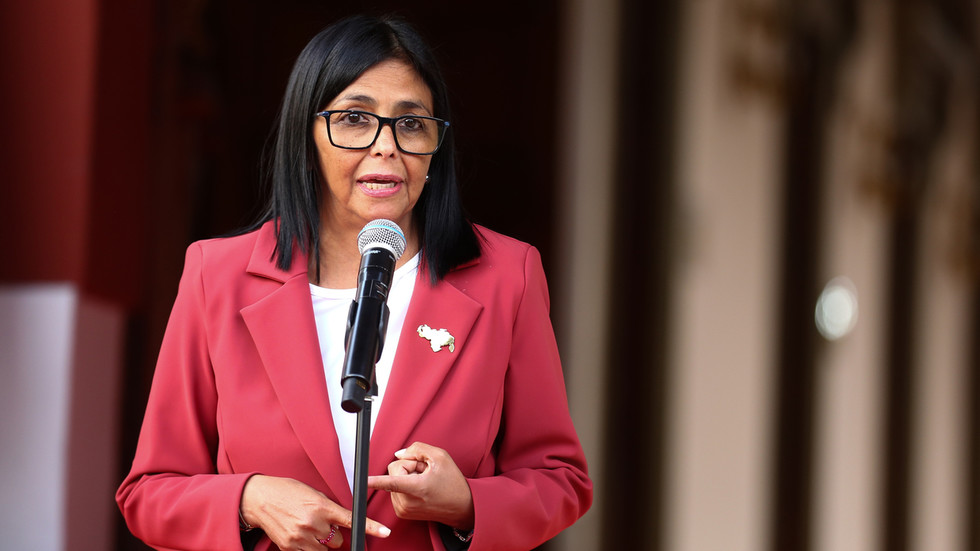
Venezuela’s interim president addresses US oil deal
3 weeks ago
57
 English (US) ·
 © Clint's World News 2026. All rights are reserved
