
 1 month ago
35
1 month ago
35
At least 10 people, including three emergency workers, killed in latest Israeli strikes on southern Lebanon.
Israel says it will not discuss a ceasefire with Hezbollah when it meets Lebanese officials for talks in Washington next week, as Israeli forces launch fresh deadly attacks on southern Lebanon.
At least 10 people, including three emergency, workers were killed by Israeli strikes on Saturday, Lebanon’s health ministry said, as state media reported raids on more than a dozen locations in the south.
Recommended Stories
list of 3 items- list 1 of 3Pakistan’s prime minister calls US-Iran talks ‘make or break’
- list 2 of 3Pakistan ambassador speaks to Al Jazeera on eve of US-Iran talks
- list 3 of 3Iran war day 43: What’s happening in Lebanon, Middle East and beyond?
This comes after Israeli and Lebanese ambassadors held late-night discussions on Friday to finalise arrangements for a meeting due at the state department on Tuesday to discuss a pathway to peace.
Israel’s ambassador, Yechiel Leiter, said the talks would mark the start of formal negotiations with the Lebanese government, despite the absence of diplomatic relations between the two countries.
“Israel agreed to begin formal peace negotiations” with Lebanon, he said. But he ruled out any discussion involving Hezbollah. “Israel refused to discuss a ceasefire with the Hezbollah terrorist organisation, which continues to attack Israel and is the main obstacle to peace between the two countries.”
Lebanese lawmaker Hassan Fadlallah, who is affiliated with Hezbollah, said on Saturday that the group rejects direct negotiations between Lebanon and Israel.
The move is “a blatant violation of the [national] pact, the constitution and Lebanese laws … and it exacerbates domestic divisions at a time when Lebanon most needs solidarity and internal unity to face Israel’s aggression and preserve civil peace”, Fadlallah said in a statement.
“What the enemy has been unable to do on the ground … it will not obtain in negotiations with an authority that lacks decision-making power, has abandoned its most basic duties, has failed to protect its people and cannot be trusted to safeguard national sovereignty,” he added.
As diplomatic efforts proceed amid tensions, Israel’s attacks continue. Lebanon’s National News Agency reported that air strikes destroyed a residential building in Mayfadoun in Nabatieh district. The Lebanese health ministry confirmed three deadly strikes hit locations in the Nabatiyeh, and decried what it said was Israel’s “systematic” targeting of emergency workers.
Media reports suggest Washington and Beirut have urged Israel to pause attacks before the talks. Reuters, citing Axios, said both the Lebanese government and the Trump administration have requested a temporary halt to hostilities, though the White House has not publicly confirmed the report.
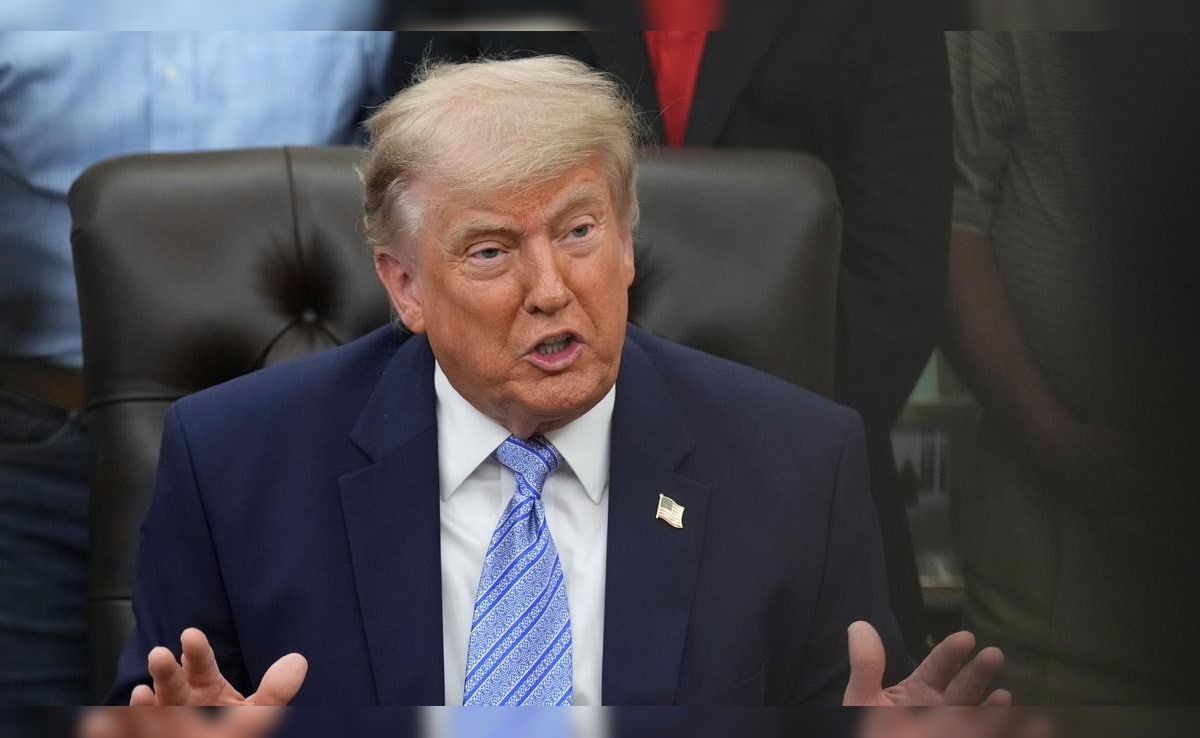
Trump said he had asked Israeli prime minister Benjamin Netanyahu to scale back the ongoing bombardment, warning that continued strikes could undermine the fragile ceasefire between the US and Iran. Talks between them are set to begin in Pakistan on Saturday.
Iran: No talks without Lebanon
Tehran has said that the two-week pause in hostilities agreed earlier this week with Washington includes an end to fighting between Israel and Hezbollah. Israel has rejected that interpretation and continued its military campaign, including a large-scale assault on Wednesday that killed and wounded over 1,000 people.
Iran responded by continuing to keep the Strait of Hormuz shut.
Trump later said that Lebanon was not part of the ceasefire arrangement, contradicting claims by Iran and mediator Pakistan.
The speaker of Iran’s Parliament, Mohammad Bagher Ghalibaf, said Tehran would not engage in negotiations without a ceasefire in Lebanon and the release of frozen Iranian assets.
The US vice president, JD Vance, envoy Steve Witkoff and adviser Jared Kushner are among the American delegation which landed in Islamabad for talks with Iranian representatives.
Despite diplomatic efforts, fighting in Lebanon shows no sign of easing. Israel has carried out repeated strikes since a ceasefire started in November 2024. It has been violated hundreds of times.
After the start of the US and Israel’s war on Iran on February 28, Hezbollah launched a cross-border retaliatory attack on March 2. Israel then escalated its campaign, launching a widespread bombardment and ground offensive in southern Lebanon.
Lebanese authorities say the fighting has killed close to 2,000 people in recent weeks, with more than 350 killed on Wednesday alone.
With Israel refusing to include Hezbollah in ceasefire discussions, next week’s talks are likely to focus on demands directed at the Lebanese state, which has long struggled to contain the armed group.





 English (US) ·