
It’s been a week that began with President Trump addressing the nation for the first time since the Iran War began five weeks ago. Expectations that he might signal an end to the conflict—or announce a ground offensive or a split from NATO—were unmet. Instead, his 18-minute speech echoed his social media rhetoric: a mix of “we’re almost done” and threats of escalating attacks, including striking every Iranian power plant if a deal isn’t reached. On the Strait of Hormuz, he told allies simply to “just take it.”
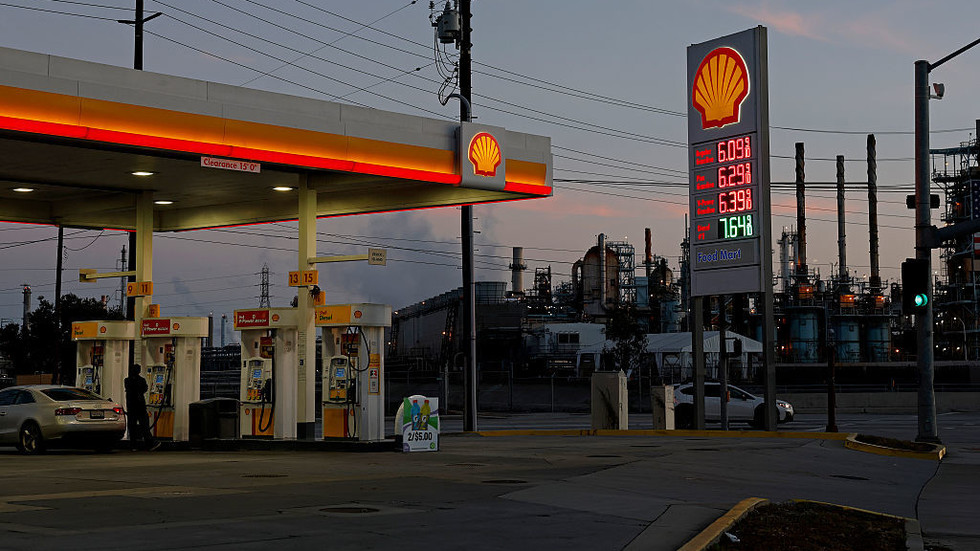
Meanwhile, Iran’s President reached out to Americans in an open letter, accusing Trump of acting under Israeli influence, while Foreign Minister Abbas Arachi said the country is prepared for six more months of war. Tensions spiked Friday when reports emerged that a U.S. F-15 had been shot down over Iranian territory, with State TV urging Iranians to capture the crew. Across the globe, countries felt the ripple effects of the energy crisis, while British Prime Minister Keir Starmer insisted, “This is not our conflict,” despite pressure from Washington.
Amid the geopolitical turmoil, the world turned its eyes skyward as four astronauts—three Americans and one Canadian—embarked on humanity’s first lunar mission in five decades. Their ten-day, half-million-mile journey aims to fly past the far side of the Moon, scout future landing sites, and lay the groundwork for a lunar gateway station, edging ahead in the space race toward Mars.
Produced by Gavin Lee, Théophile Vareille, Guillaume Gougeon and Laura Burloux
Our guests
-
Borzou DARAGAHI International Correspondent, The Independent
-
Douglas HERBERT International Affairs Commentator, FRANCE 24
-
Patrick SMITH Editor-in-Chief, The Africa Report
-
Erik DE LA REGUERA Paris correspondent for Swedish newspaper Dagens Nyheter






 English (US) ·