In the five months since the Iran war began on Feb. 28, each pause in fighting has underscored the complexities of ending it.The June 17 memorandum of understanding opened a 60-day negotiating period over the Strait of Hormuz, sanctions and Iran's nuclear and missile programs, but frayed within weeks as Iranian attacks on shipping prompted escalation.The U.S. resumed strikes for 13 consecutive nights until it paused on July 24, only for the fighting to resume on Tuesday, with strikes overnight on Wednesday and Thursday. Iran's army said on Friday it had launched attacks on strategic U.S. assets and military bases in Kuwait and Bahrain.Whenever negotiations resume, Iran's opaque power structure — spanning the Supreme Leader, the Revolutionary Guards, civilian government, commanders and other groups — will shape not only what is agreed, but whether any deal can be enforced.Any ceasefire would have to pass through layers of command, and the Islamic Revolutionary Guard Corps (IRGC) commanders and Tehran-aligned groups may interpret the terms differently. Attacks attributed this week to Iran-aligned Iraqi militias on Saudi oil facilities and to Yemen's Houthis on pipeline infrastructure...
Iran's overlapping power centers make ending the war more complicated
 4 weeks ago
35
4 weeks ago
35
Related

France gears up for an election year defined by a fragmented...
51 minutes ago
0

South Korea court gives church leader two years in jail for ...
57 minutes ago
0
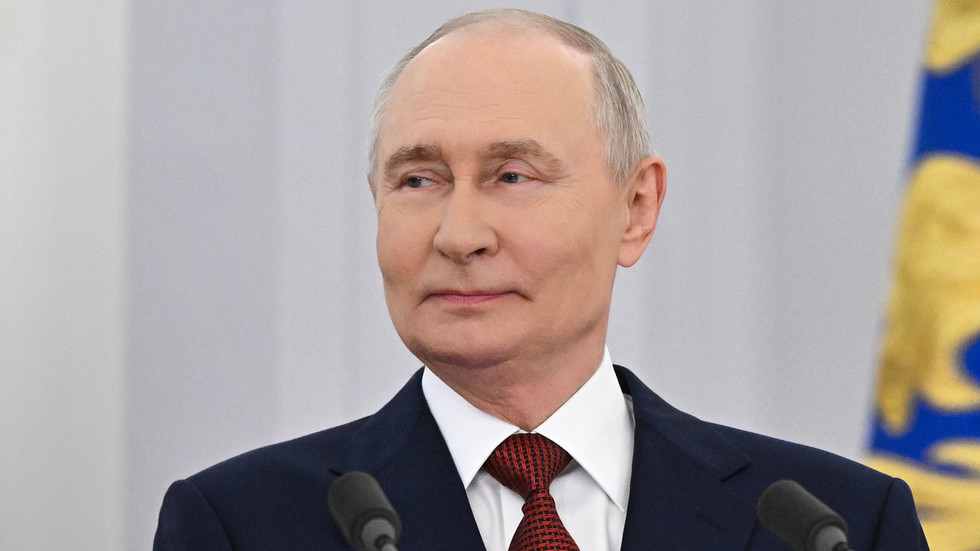
Putin to meet Xi and Modi
3 hours ago
4


Popular



 English (US) ·
 © Clint's World News 2026. All rights are reserved
