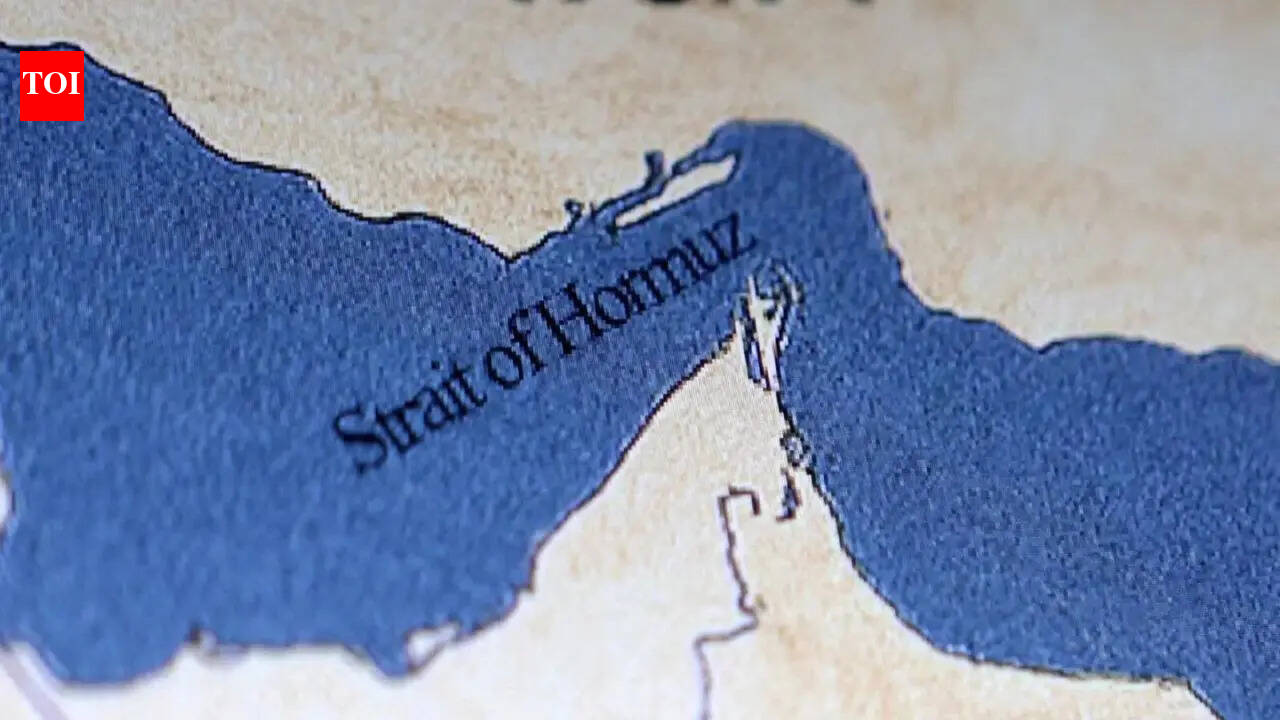
Iran said it could stop oil tankers crossing the Strait of Hormuz. (Image: Getty)
Iran has reportedly closed the Strait of Hormuz again despite agreeing to a ceasefire with Donald Trump. The Fars News Agency is claiming that oil tankers are no longer allowed to pass through the vital shipping route because Israel has not halted its attacks against Lebanon since the ceasefire was agreed.
After the US and Iran agreed on a two-week ceasefire on Tuesday, Iran gave permission for two oil tankers to safely pass through the strait. These could be the last two for a while if the state media reports are to be believed, though there has been no official confirmation of the closure. Hours after the ceasefire announcement, Iran and Gulf Arab countries reported new attacks, though it was not clear if the strikes would void the deal.
The latest news from around the world and more Invalid email
We use your sign-up to provide content in ways you've consented to and to improve our understanding of you. This may include adverts from us and 3rd parties based on our understanding. You can unsubscribe at any time. Read our Privacy Policy
The strait was briefly opened. (Image: Getty)
Iran said the deal would allow it to formalise its new practice of charging ships passing through the Strait of Hormuz, while Donald Trump said the US would work with Tehran to remove buried enriched uranium.
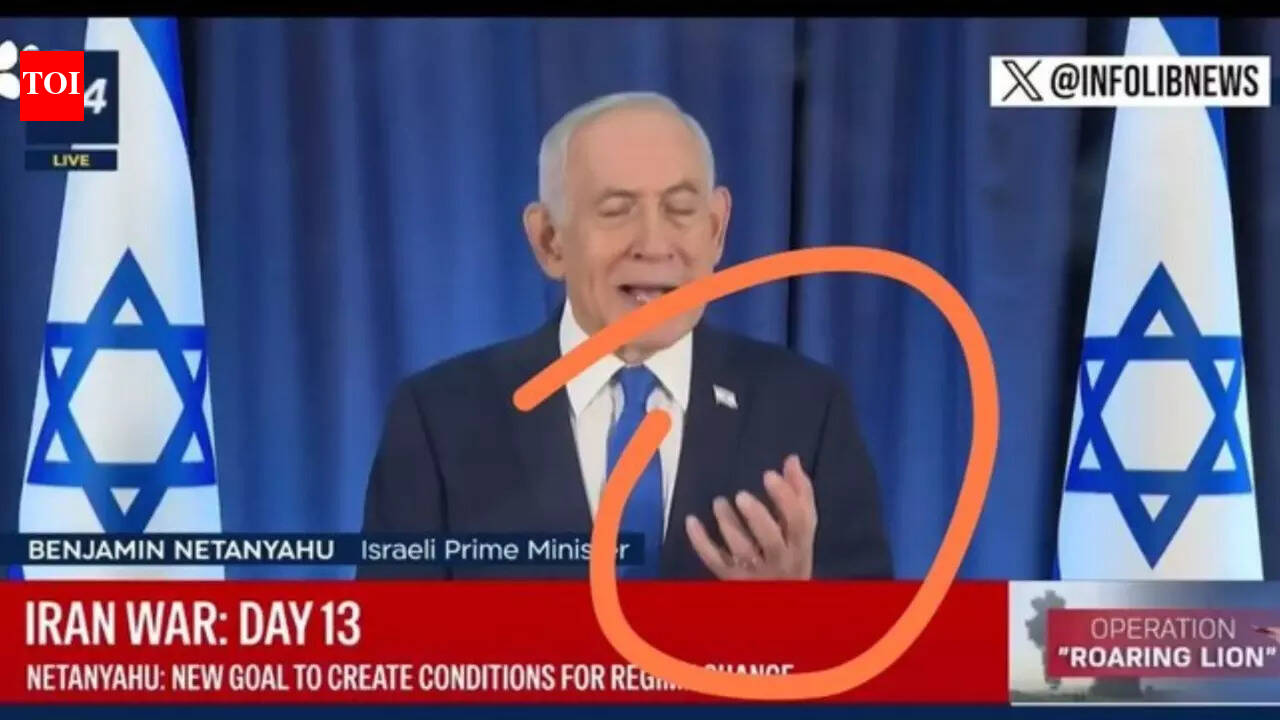
Pakistan and others said fighting would pause in Lebanon, which Israel has invaded to fight the Iran-backed Hezbollah militant group, but Benjamin Netanyahu said the deal doesn’t cover fighting against Hezbollah.
Israeli strikes hit several dense commercial and residential areas in central Beirut on Wednesday afternoon without warning, killing dozens and wounding hundreds of people.
The Israel Defence Forces (IDF) said it launched the largest coordinated strike of the war, targeting over 100 Hezbollah command centres and military sites in Beirut, the Bekaa Valley, and southern Lebanon.
Speaking to the Fars news agency, a military source said Tehran is "finalising preparations to carry out a deterrent operation against Zionist regime military positions in the occupied territories".
They said the regime's view is that "either the US is unable to control Netanyahu or that CENTCOM has issued a free-hand order to the Zionist regime".
They added that Tehran is "identifying targets to respond", warning: "If America cannot restrain its rabid dog in the region, Iran will exceptionally help it in this regard! And by force."

 2 hours ago
4
2 hours ago
4








 English (US) ·