
A biological control project started half a century ago to destroy a stubborn invasive weed accidentally set off an ecological chain reaction that increased human exposure to a deadly virus. In 1973, wildlife officials and agricultural scientists in Montana released two species of European gall flies, Urophora affinis and Urophora quadrifasciata, to control the spread of spotted knapweed (Centaurea stoebe). Decades later, major research published in Ecology Letters and archived by the US Forest Service Treesearch database found that the flies became a common winter food source for native deer mice (Peromyscus maniculatus). The extra food helped mouse populations grow and increased the spread of Sin Nombre hantavirus. As a result, knapweed-infested areas had more than three times as many hantavirus-positive deer mice as areas of native grassland without knapweed.A well-intentioned biocontrol interventionSpotted knapweed, an aggressive Eurasian perennial plant introduced to North America in the late 19th century, had spread across millions of acres of western rangeland by the middle of the 20th century. The weed takes over pastures, competes with native grasses, increases soil erosio...
In 1973, Montana released a gall fly to control spotted knapweed; decades later...
 1 month ago
41
1 month ago
41
Related
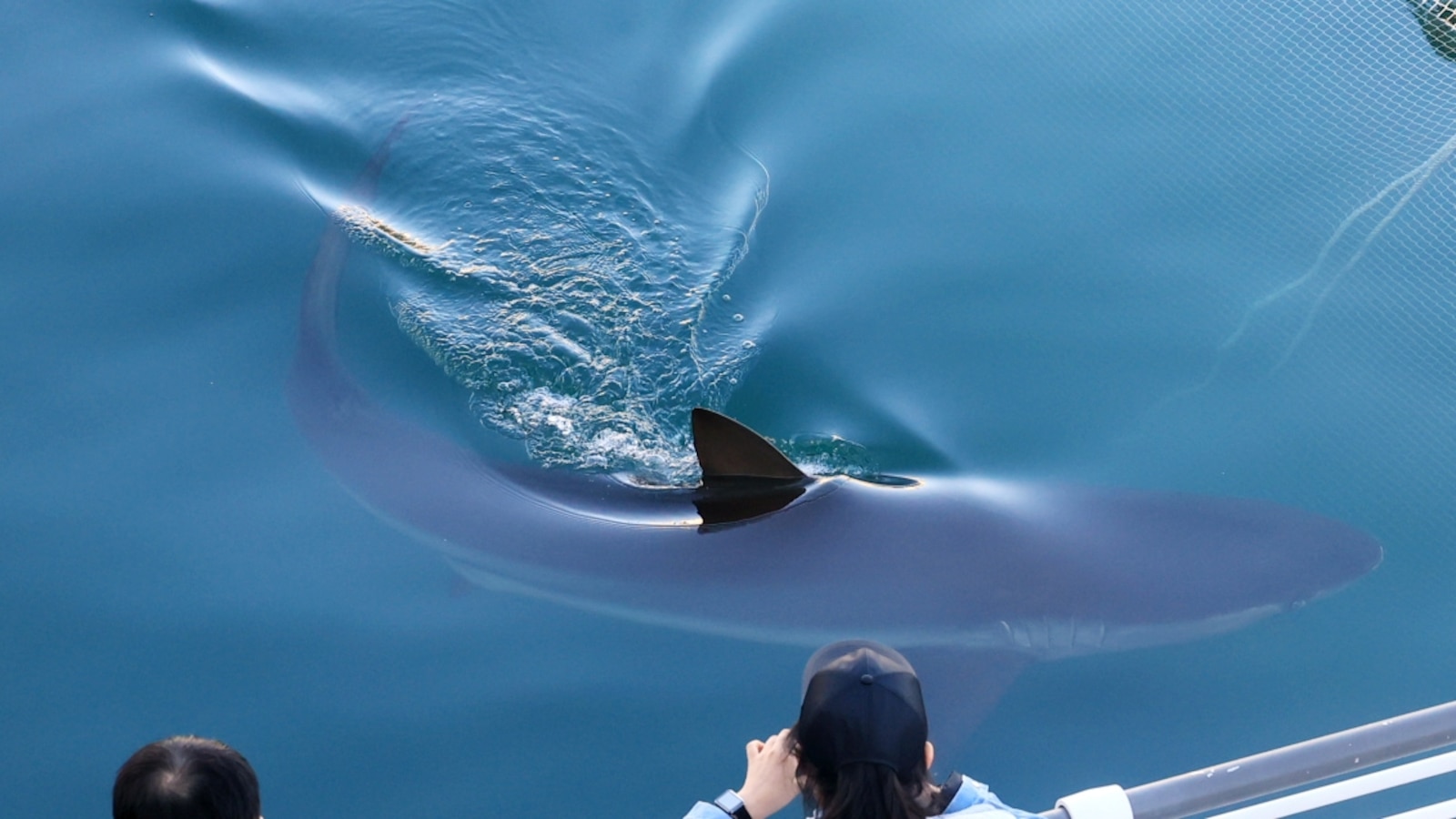
South Korea seeks new ways to free a huge gray shark after i...
50 minutes ago
6

California adds 15,000 acres to marine protected areas after...
57 minutes ago
1



Popular

Two Houthi missiles target Yemen’s Aden International Airpor...
2 weeks ago
432

Oil prices rise as Chinese refiners reportedly ban October f...
2 weeks ago
328


OpenAI fires workers for mishandling 'sensitive information'...
2 weeks ago
292

CNBC Daily Open: Three’s a crowd: U.S. carrier buildup in Mi...
2 weeks ago
291
 English (US) ·
 © Clint's World News 2026. All rights are reserved
