
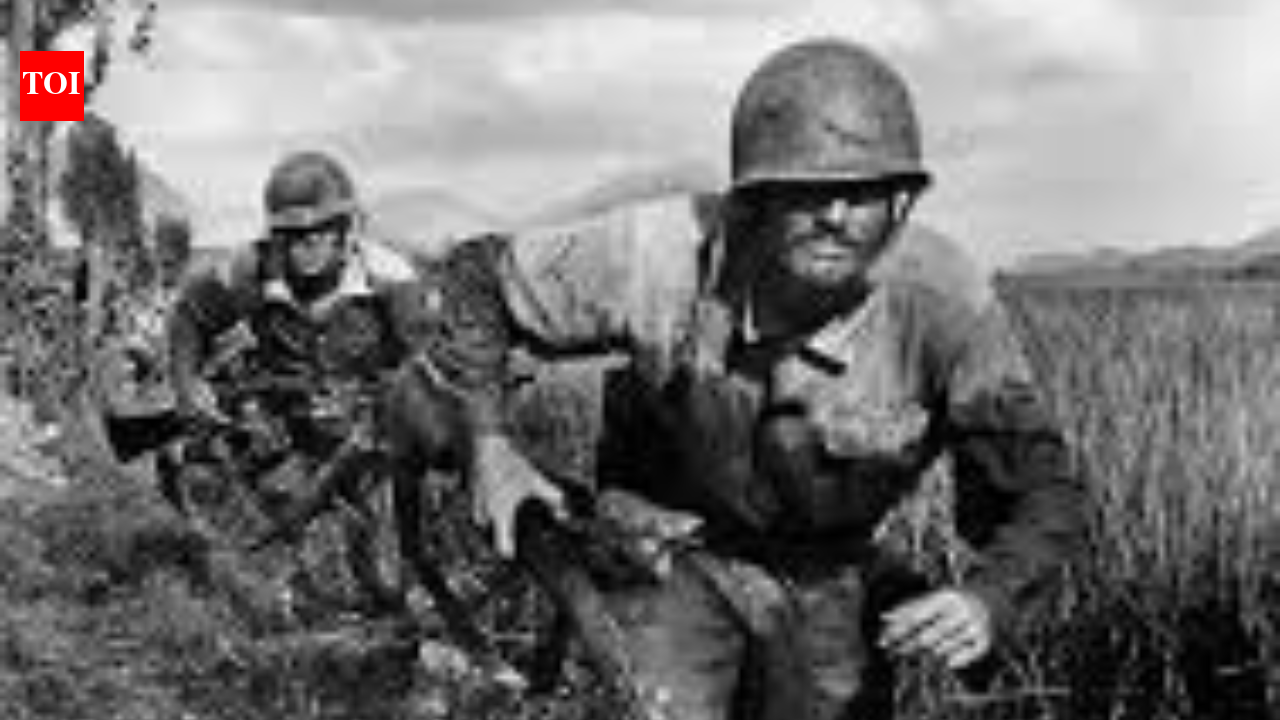
Soldiers on both sides stand behind fences and in between are thousands of landmines. For more than 70 years, humans have not ventured into a 155-mile-long corridor that divides two nations, North and South Korea. While boundaries and borders can ward people off, nature is above all such regulations. This is probably why a space where beings seldom step in has transformed into a surprising wildlife haven for flora and fauna.The Korean Demilitarised Zone (DMZ) was created by the armistice that halted the Korean War in 1953. To date, it remains surrounded by soldiers, fences, watchtowers and landmines, making it one of the most fortified and militarised borders in the world. For humans, it is among the most forbidden places on Earth, but for wildlife it is a home they return to.A wildlife havenDMZ extends about 155 miles across the Korean Peninsula and is about 2.5 miles wide. It covers everything 2 kilometres north and south of the border between the two countries. Since civilian access to the area is severely restricted, it has escaped the trenches of roads, buildings and intensive farming found elsewhere. According to surveys, in the past seven decades, 6,168 species have been ide...
In 1953, North and South Korea established a demilitarised zone; decades later it is a 155-mile-long wildlife haven
 1 month ago
39
1 month ago
39
Related

Meet Chaz, 13, who raised $4,000 for charity despite a herni...
33 minutes ago
0
After months of coyote complaints, LA toddler bitten; DNA co...
55 minutes ago
4
EU won’t try to steal Russian assets again – Belgium
59 minutes ago
3
See how Big Tech is transforming Spain's landscape
1 hour ago
7
Popular

Two Houthi missiles target Yemen’s Aden International Airpor...
2 weeks ago
438

Oil prices rise as Chinese refiners reportedly ban October f...
3 weeks ago
330


OpenAI fires workers for mishandling 'sensitive information'...
2 weeks ago
297

CNBC Daily Open: Three’s a crowd: U.S. carrier buildup in Mi...
2 weeks ago
295
 English (US) ·
 © Clint's World News 2026. All rights are reserved
