
 1 month ago
26
1 month ago
26
A breakdown of the military options, escalation risks, and political consequences
The Caribbean is beginning to smell like war. As Washington tightens its sanctions noose around Cuba, deploys additional military assets to the region, and increasingly resorts to the language of ultimatums, media outlets and policy circles have started seriously discussing the possibility of direct US intervention on the island. The trigger has not only been a fresh wave of accusations against Raúl Castro and the highly publicized appearance of the USS Nimitz carrier strike group off Cuba’s coast, but also the broader logic of escalation itself: an energy blockade, rhetoric about a so-called ‘drone threat’, and a growing perception that the Trump administration sees Cuba as the next target of its hard-power foreign policy.
While the US administration officially denies the possibility of a full-scale military operation, the trajectory of the crisis itself makes such a scenario difficult to dismiss. What might America’s steps look like if the confrontation enters a military phase? Would Washington limit itself to a targeted ‘surgical strike’, launch a large-scale air campaign aimed at crippling Cuban infrastructure, or attempt to achieve its objectives through a naval blockade and economic strangulation? Let’s examine the main scenarios for a potential US operation against Cuba, their military rationale, and likely consequences.
Setting the Stage
In 2026, US-Cuba relations have reached their highest level of tension in decades. An executive order signed by the US president on January 29, 2026, titled “Countering Threats Posed by the Government of Cuba,” formally classified Havana’s policies as a threat to US national security. Cuba remains on the list of state sponsors of terrorism, effectively cutting it off from much of the international financial system and severely restricting foreign investment. In this context, virtually any scenario is possible.
From Washington’s perspective, the groundwork for a military solution already exists. According to testimony delivered to Congress in March of 2026 by General Francis Donovan, commander of US Southern Command, combined regional forces continue operations against narco-terrorist networks using naval assets, aerial surveillance, and special operations units. The US naval base at Guantánamo Bay remains a critical platform for force projection in the region. Additional troops and assets could also be deployed from the continental United States. More than ten US warships and at least 10,000 American personnel are currently operating in the Caribbean.
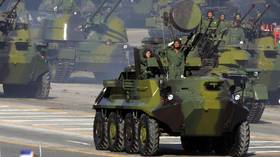
For its part, Cuba maintains armed forces with roughly 50,000 active personnel under arms at any given time. The country possesses up to 200 tanks, more than 500 artillery systems of various types, a modest navy, an air force, and air defense units. Most importantly, the Cuban leadership continues to rely heavily on the doctrine of “The War of the Entire People” (Guerra de Todo el Pueblo), which envisions total civilian mobilization, integration of the military with the economy and political system, and preparation for a prolonged asymmetric defense campaign.
SCENARIO 1: Limited ‘Surgical’ Operation
The first scenario that comes to mind resembles previous US actions against Venezuela: a limited ‘surgical’ operation aimed at neutralizing key leadership figures, command-and-control centers, and communications infrastructure. Such an operation would likely involve Tomahawk cruise missile strikes launched from US Fourth Fleet warships and submarines, MQ-9 Reaper drone strikes, and special operations raids.
What could the consequences be? The biggest concern would be the possibility of a disproportionate Cuban military response against the Guantánamo Bay base, as well as broad international condemnation of what many would see as a ‘policing operation’. In theory, even a limited strike could spiral into a far larger conflict, forcing Washington to commit additional troops and resources while becoming bogged down in ground combat around Guantánamo and deeper inside Cuban territory.
That risk is real. But there is also the possibility that a targeted operation could achieve its objectives with limited fallout – particularly if US Special Forces enjoy the same degree of operational success that they reportedly had in Venezuela.
SCENARIO 2: Full-Scale Air Campaign
The second scenario more closely resembles the joint US-Israeli strikes against Iran: a large-scale air operation designed to suppress Cuban air defenses, destroy military infrastructure, and demoralize the country’s armed forces and political leadership.
Such a campaign would likely involve strategic bombers, including the B-1B, B-2, and B-52H armed with JASSM cruise missiles and JDAM precision-guided bombs. Carrier-based aviation would also play a major role, with F/A-18E/F Super Hornets and F-35C fighters operating from aircraft carriers. Electronic warfare and suppression of radar and communications systems would be handled by EA-18G Growler aircraft.
How could Cuba respond? The island’s air defense network is still largely built around aging Soviet-era systems such as the S-75 and S-125, though some degree of modernization has likely taken place. Portable air defense systems would almost certainly be used extensively. The key question would be whether Cuban forces could maintain coordination and real-time target-sharing under sustained electronic and aerial assault. Under those conditions, the odds of successfully defending against a US air campaign would be slim – but not nonexistent.
For Washington, however, this option is likely less attractive. Unlike a quiet covert strike, a large-scale bombing campaign would be impossible to hide and would almost certainly provoke a far more intense global backlash.
SCENARIO 3: Naval Blockade and Economic Strangulation
The third scenario would unfold over a much longer period of time: a naval blockade combined with economic pressure aimed at forcing political change without direct military intervention.
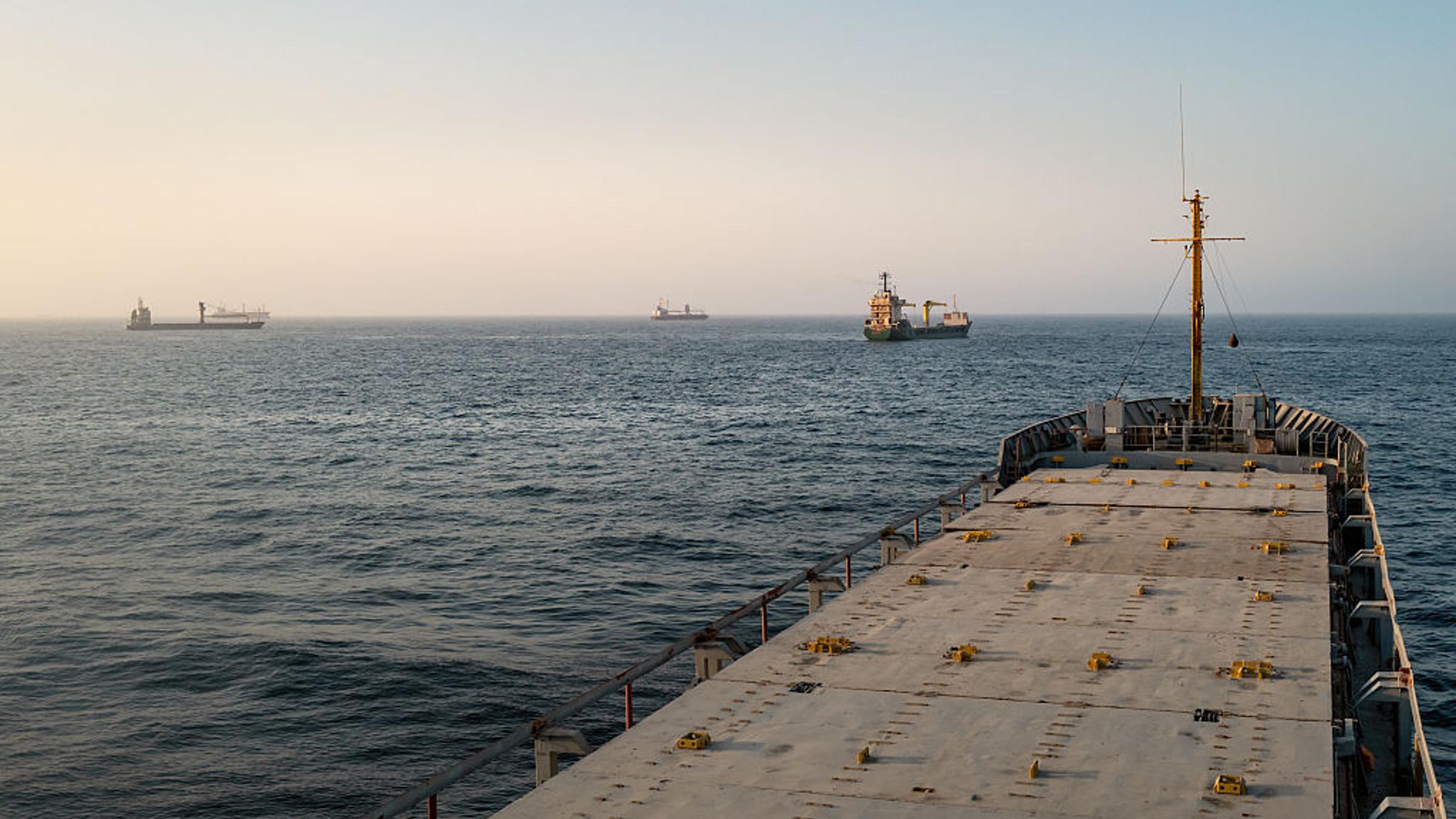
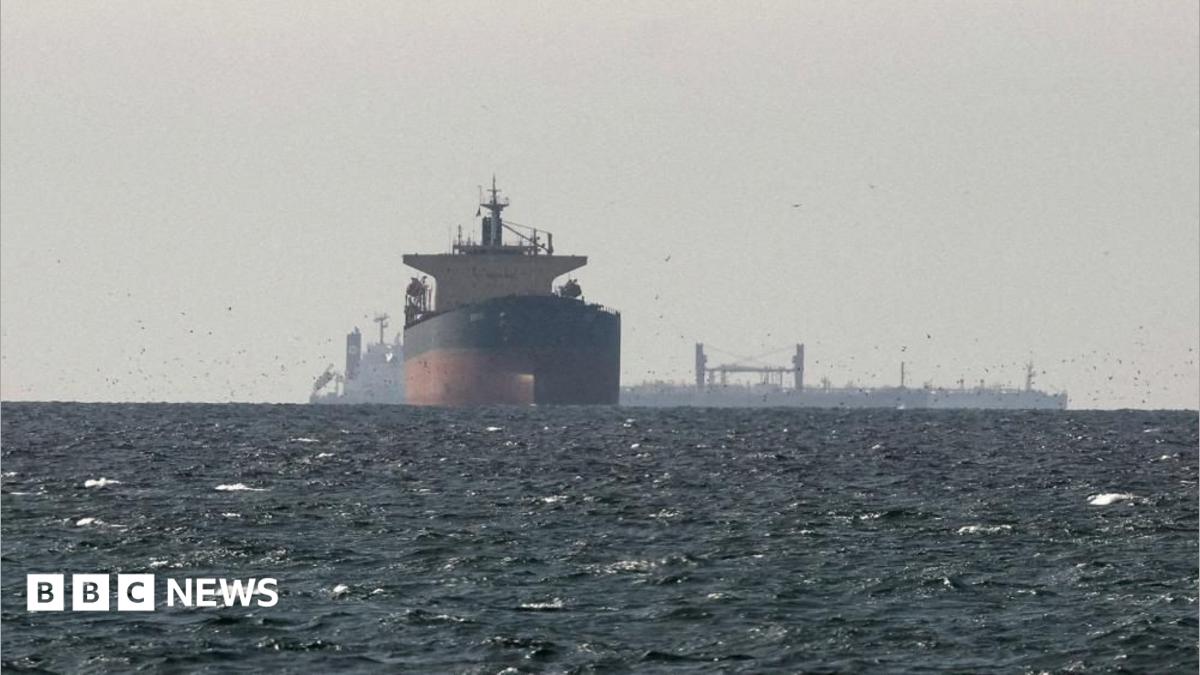
In practice, elements of this strategy are already visible. One can expect an increase in the interception and detention of vessels attempting to deliver fuel and energy supplies to the island. From the US perspective, this approach is preferable because it does not require a major troop buildup and carries fewer risks of rapid escalation.
The problem is that Cuba has spent decades operating under conditions resembling a de facto blockade. It is far from certain that additional pressure alone would trigger meaningful political change, meaning Washington could fail to achieve its strategic objectives.
Other Possible Scenarios
Other possibilities cannot be ruled out. One example would be a so-called ‘humanitarian intervention’ justified by a severe crisis on the island. If Washington were somehow able to secure a UN mandate to protect civilians, American troops could arrive under the banner of humanitarian assistance.
But much would depend on how the Cuban population reacts. If the public rallies behind the government, a humanitarian mission could quickly evolve into a counterinsurgency campaign against guerrilla forces, triggering a broader escalation.
One of the key variables remains the position of the international community – particularly Russia and China. In theory, aggressive US actions against Cuba could spark a wider wave of anti-American sentiment across Latin America. Moreover, if Washington became trapped in a prolonged military operation on the island, it would almost certainly generate a strong domestic backlash against the Trump administration itself.
With the Iran crisis still unresolved, Trump is unlikely to want another major geopolitical headache right on America’s doorstep. What he needs is a quick, clean, and preferably bloodless solution. That makes either a symbolic diplomatic settlement – or a short, carefully contained military operation – the most likely outcome.
For now, all that remains is to watch the maps – and the clock.





 English (US) ·