
 1 month ago
33
1 month ago
33
 UN Secretary-General António Guterres visiting a shelter hosting displaced people from areas affected by the ongoing conflict in the Dekwaneh area of Beirut during his visit to Lebanon in March 2026. Credit: UN Photo/Haider Fahs
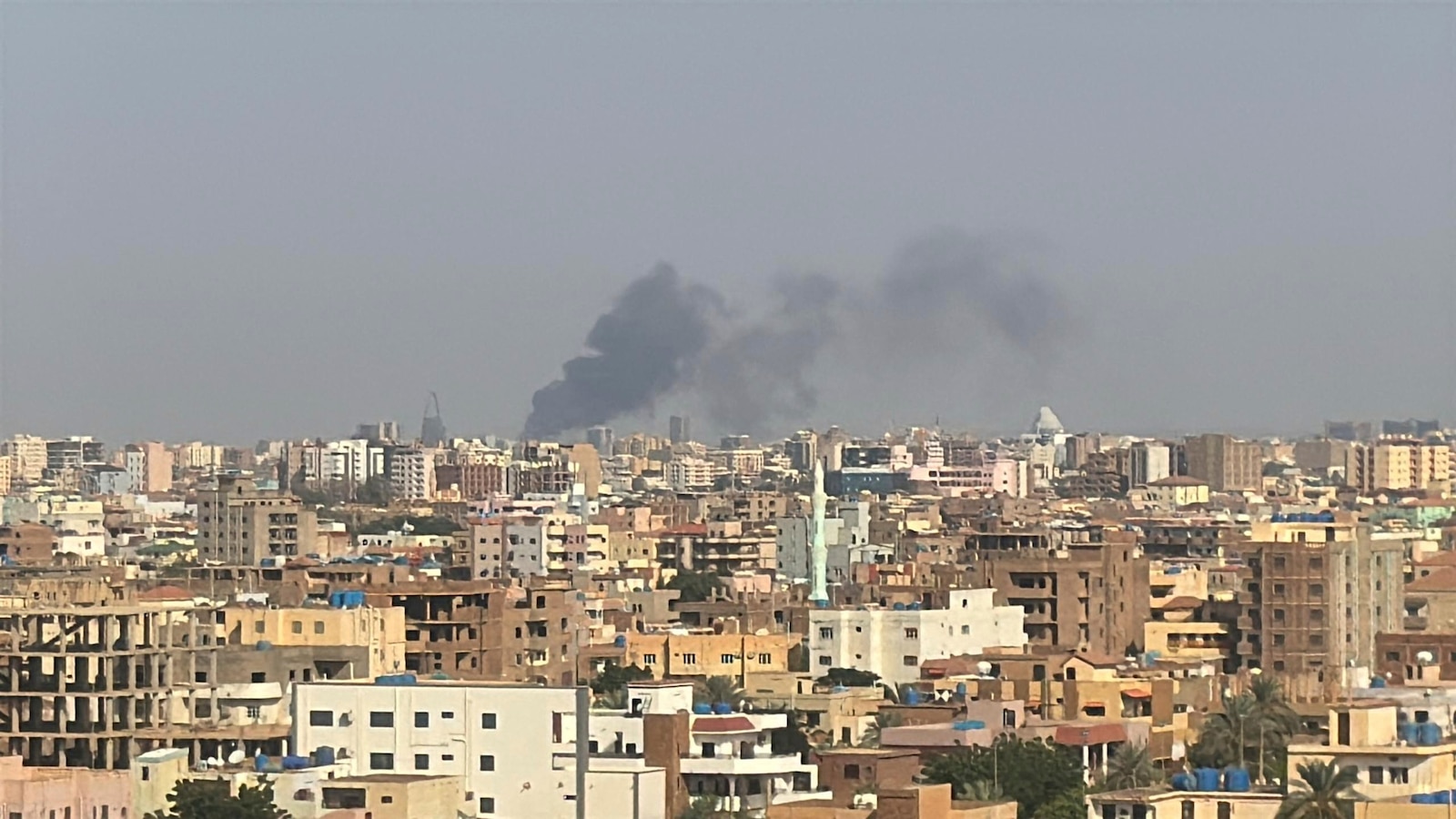
UNITED NATIONS, April 9 (IPS) - On April 8, Israeli military forces launched the deadliest series of airstrikes on Lebanon since hostilities escalated in early March, resulting in the deaths of at least 254 civilians. This latest incident threatens to further complicate humanitarian efforts in Lebanon that are already under immense pressure.
This latest escalation occurred just as a two-week ceasefire deal between the United States and Iran was announced the night prior on April 7, more than a month after the United States, Iran and Israel began engaging in military strikes against each other, which also led to Arab States in the Gulf getting caught in the crossfire. The parties targeted military bases and civilian infrastructure in Iran and Gulf states allied with the United States. Israeli and Lebanese armed forces exchanged fire across borders, which has resulted in a new wave of civilian casualties and mass displacement in a continuation of the conflict between the Israeli military and the Lebanese militant group Hezbollah. Israeli strikes on Lebanon have resulted in nearly 1,530 deaths since March 2, including more than 100 women and 130 children.
While the temporary ceasefire was welcomed, including by UN Secretary-General António Guterres, questions were raised about where it extended, even among major players in the negotiation process. Iran and Pakistan, a mediator in the peace negotiations, have stated that the deal includes Lebanon. Meanwhile, Israeli leadership initially claimed that the ceasefire did not include Lebanon and that the airstrikes specifically targeted Hezbollah-owned strongholds. Wednesday’s airstrikes targeted residential and commercial neighborhoods in Beirut, the Bekaa Valley and southern Lebanon.
Humanitarian actors expressed concern and alarm over the airstrikes and urged the parties involved to consider the safety and dignity of civilians in Lebanon. The International Committee of the Red Cross (ICRC) was “outraged” by the “devastating death and destruction” in Lebanon.
 Displaced families at a makeshift shelter in a parking lot in Beirut, the capital of Lebanon. Credit: WFP Arete/Ali Yunes
Oxfam International Executive Director Amitabh Behar welcomed the news of a ceasefire but said in a statement that until there was an end to the hostilities across the entire region, “no one will feel truly safe.”
“This pause must become a stepping stone for wider peace,” Behar said.
The war in Iran and the Middle East has put greater strain on humanitarian aid workers on the ground, including UN agencies.
Imran Riza, the UN resident and humanitarian coordinator for Lebanon, explained that even before the latest escalation, the UN and its partners were aiming to support 1.5 million vulnerable people and that they have been forced to scale up their response with fewer resources than in previous years.
Less than a third of the emergency flash appeal for USD 308 million has been funded as of now. Yet despite these challenges, the UN and its partners have been able to provide more than four million meals and distribute more than 130,000 blankets and 105,000 mattresses to shelters. Multi-purpose cash assistance has also been provided to households as well.
Briefing reporters virtually from Beirut mere hours after the airstrikes, Riza commented on how civilians reacted to the news of a ceasefire.
“This morning, many people across Lebanon were cautiously optimistic about returning home—some even began to move. The events of the past hours, however, are likely to have triggered further displacement,” said Riza.
Also briefing from Lebanon was UNFPA Arab Regional Director Laila Baker, who described how the city of Beirut slowed to a standstill in the wake of the airstrikes. Cars are lining the streets while tents spread across the city as families seek shelter, she noted. She warned that the initial sense of unity that the Lebanese government and its partners had been working towards was now under threat due to the month-long “devastating aggression” from military forces.
“The risk is not only humanitarian collapse but also renewed fragmentation at a time when unity is most needed,” said Baker.
Displacement is already at an “unprecedented scale”, Riza said, as more than 1.1 million people—or one in five people in Lebanon—are internally displaced. More than 138,000 civilians, of which a third are children, are sheltering in 678 collective sites. The majority are dispersed across informal settings and host communities, which Riza noted leaves them with limited access to basic services. Overcrowding in shelters and limited sanitation services will likely lead to increased health risks.
The health system has also been overwhelmed and “under severe pressure.” Many facilities have been forced to close or have been damaged. Riza reported at least 106 attacks on healthcare, which have resulted in more than 50 deaths and 158 injuries among health workers.
Women and children are particularly vulnerable in this situation. Baker estimates that at least 620,000 women and girls have experienced displacement. Among them are at least 13,500 pregnant women who have been cut from essential maternal health services. At least 200 pregnant women will be delivering babies without essential support from midwives or nurses or with access to maternal and neonatal healthcare.
More than 52 primary healthcare facilities are no longer facilities and are forced to close. Among the six hospitals forced to close, five of them had maternity wards.
“These are not just statistics. They are grave violations of international humanitarian law – direct assaults on life, health, and dignity,” said Baker. “This is not only a humanitarian crisis – it is a crisis of humanity. It is a crisis of trust in the international system and in the principles meant to protect civilians.”
The UN and other humanitarian agencies urge for a permanent end to the fighting and call for international law to be upheld by all parties. Under the ceasefire agreement, all parties are urged to pursue diplomatic dialogue and work toward a long-term solution to the war.
IPS UN Bureau Report
© Inter Press Service (20260409093359) — All Rights Reserved. Original source: Inter Press Service






 English (US) ·