
 3 weeks ago
27
3 weeks ago
27
As Iran engages in negotiations with the United States to end the three-month war, it is confronted with a water crisis that has been overshadowed by the conflict.
Iran was already facing a multi-year drought and decline in precipitation, but the US-Israel war has added to the water woes after desalination plants, water pipelines and other civilian infrastructures were hit.
Recommended Stories
list of 3 items- list 1 of 3Maths behind Hormuz toll: Is paying Iran for transit cheaper than blockade?
- list 2 of 3Iran says it has a new air defence system. How significant is it?
- list 3 of 3US, Iran trade new attacks amid talks: Here’s what we know
The country’s main water supplies, including its reservoirs, rivers and groundwater reserves, are running dry amid years of mismanagement through poor agricultural practices, overbuilding of dams and increased well drilling.
According to the Aqueduct Data of the World Resources Institute, which measures water risks, Iran’s baseline water stress score falls into the “extremely high” category, meaning the country uses more than 80 percent of its renewable water supplies in an average year.
Here’s what we know about the water crisis and how the war worsened the situation:
How bad were things?
In November 2025, Iran faced its worst water crisis in decades, following its fifth consecutive year of drought, which had left water reserves across the country nearly empty.
Water levels were so severe that Tehran’s Amir Kabir Dam only held 8 percent of its capacity, while across the country, 19 major dams had run dry.
At the time, President Masoud Pezehkian warned that if it did not rain by December, water would have to be rationed, and if there was still no rainfall, Tehran might have to be evacuated.
While the evacuations were avoided, the water crisis led to protests in December 2025 and into January over worsening living conditions and rising inflation.
Water shortages also led to protests in 2021 in the southern Khuzestan province, and protests broke out in 2018, with participants accusing the government of water mismanagement.
How did it get to this point?
Iran’s water crisis is the result of compounding factors, including climate change, agricultural practices, increased water drilling, declining groundwater levels, and poor governance.
Global warming has impacted rainfall patterns in the country, leading to long droughts and increased rates of water evaporation, which in turn affects the country’s water supplies.
Since the Islamic revolution in 1979, Iran has promoted self-sufficiency, which has become an even higher priority amid international sanctions.
Iran has prioritised food security and promoted crops such as rice in areas not suitable for high water consumption. Sanctions have also made it harder for Iran to modernise its water infrastructure.
Moreover, subsidised household and water pricing have promoted the country’s aim of self-sufficiency but have led to excessive irrigation and over-pumping. The country’s self-sufficiency policy accounts for about 90 percent of Iran’s water use.
A key example of the water crisis is the Zayandeh Rud river in the province of Isfahan, which dries up for most of the year due to water-intensive industries in the area, including steel and the creation of agricultural land alongside the river.
How has the war made it worse?
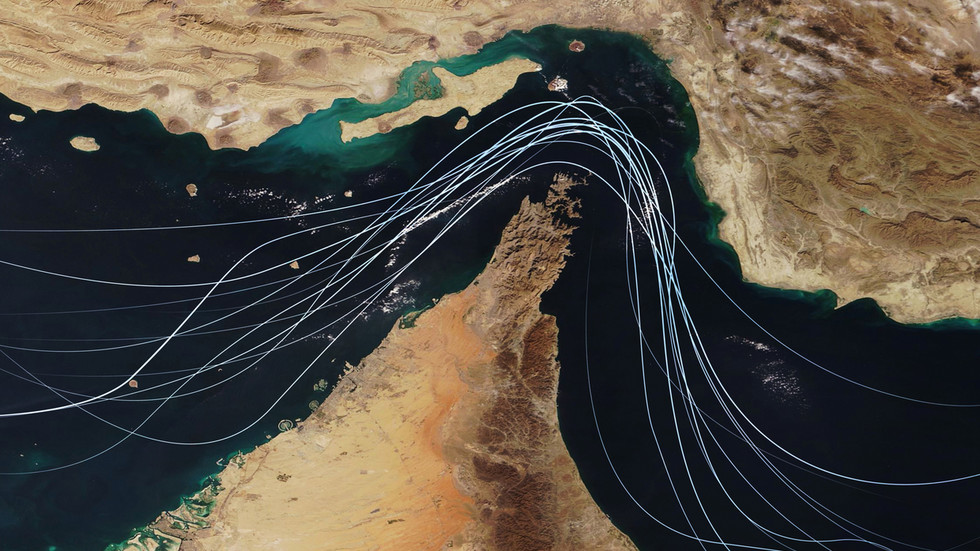
On March 7, Iranian Foreign Minister Abbas Araghchi said the US had bombed a freshwater desalination plant on Qeshm Island in the Strait of Hormuz, impacting water supply for 30 villages.
While attacks on Iran’s energy infrastructure threaten water supplies, their effects are yet to be fully assessed as the war is still to end.
But once Iran starts up reconstruction efforts following US and Israeli attacks on the country, the water crisis will likely get worse as resources will be diverted.
Moreover, the war has led to environmental issues, including air pollution from burning oil and gas facilities, and has contributed to climate change.
In a new analysis by LiveScience, researchers found that between February 28 and March 14, the war had released almost 5.6 million tonnes of carbon dioxide and other greenhouse gases following the destruction of schools, homes and buildings.
What is Iran doing to help the water crisis?
With the war taking the government’s current focus, in November, Iran began cloud seeding, the process of spraying chemical salts into clouds to induce rainfall and circumvent the drought.
Authorities had also announced plans to penalise households and businesses that consume excessive amounts of water.
President Pezeshkian on Saturday spoke against drilling unauthorised wells and excessive extraction of groundwater resources. The president called for the adoption of modern technology and campaigns to bring awareness of water resource management.
He called for “planning and research to expand modern agricultural methods, including advanced greenhouse cultivation, hydroponic farming, aeroponic systems, and other innovative production techniques”, according to the Mehr news agency.








 English (US) ·