
On 29 October 2012, Hurricane Sandy slammed into New York City, unleashing a devastating storm surge that flooded homes, subways and tunnels, knocked out power and sparked deadly fires. In just 48 hours, 44 people were killed, nearly two million New Yorkers lost power, and 6,500 patients were evacuated from hospitals and nursing homes. New York swore: never again. But as climate change threatened to bring in ever more extreme weather, and to dangerously raise sea levels around the coastal city, “never again” meant building ambitious resiliency infrastructure all along the city’s coastline. Fourteen years after Sandy, UN News visited one section of the multibillion-dollar project: the East Side Coastal Resiliency (ESCR) Project. What lies beneathNorth of the Williamsburg Bridge, a white crane hoists buckets of fill off a barge and tips them into waiting earth movers. Load by load, the East River Park is being raised as much as 10 feet (three metres).The park is one link in a chain of flood defences rising along more than three miles (five kilometres) of Manhattan’s waterfront. Conceived after Hurricane Sandy swamped the area in 2012, the East Side Coastal Resiliency project and a sm...
Higher Ground: How New York is raising a park to hold back the sea
 1 week ago
19
Related
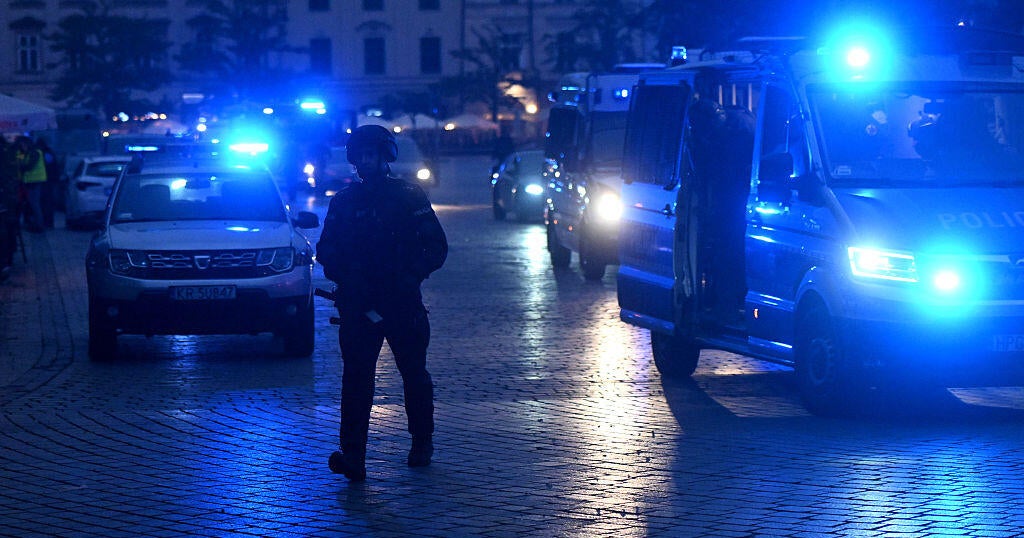
Mass shooting in Polish market leaves at least 5 dead, a doz...
12 minutes ago
1

Canadians choosing pricier destinations over Cuba amid crisi...
41 minutes ago
2

Multiple casualties as gunman opens fire in Polish city – me...
53 minutes ago
3

Popular

JPMorgan makes bullish call in fixed income space, suggests ...
4 weeks ago
710

ICC ignored ‘very well-documented’ NATO crimes – ex-Libyan m...
3 weeks ago
672

Intel, Broadcom CEOs warn capital crunch could become AI's b...
3 weeks ago
654

Apollo, banks in talks to finance SpaceX's $40 billion Nvidi...
1 month ago
376

MEP blasts ‘Euro-Gestapo’ for lecturing Russia on democracy ...
4 weeks ago
372
 English (US) ·
© Clint's World News 2026. All rights are reserved
