
 3 hours ago
1
3 hours ago
1
EXCLUSIVE: Speaking as EU leaders gathered in Brussels, Yuriy Boyechko described Putin's rhetoric as "not merely posturing" but a precursor to escalation
15:36, Thu, Dec 18, 2025 Updated: 15:45, Thu, Dec 18, 2025

Russian President Vladimir Putin (Image: Getty)
Vladimir Putin's recent "gangster-style" rhetoric, including deriding European leaders as "little pigs", represents a direct threat to Europe, a Ukrainian expert has warned. Yuriy Boyechko, chief executive of the humanitarian organisation Hope For Ukraine, cautioned on Thursday that the Russian President's escalating aggressive language signals Moscow's territorial ambitions now extend beyond Ukraine, potentially turning the conflict into a broader confrontation with the continent.
In a statement issued as EU leaders gathered in Brussels for a pivotal summit, Mr Boyechko described Putin's rhetoric as "not merely posturing" but a precursor to escalation. He said: "This descent into overtly gangster-style intimidation, coupled with a surge in hybrid operations across Poland, the Baltics, and even Belgium, indicates the Kremlin's goals have decoupled from Ukraine's borders.

Polish Prime Minister Donald Tusk in Brussels (Image: Getty)
"By weaponising geopolitical victimhood, Putin is challenging European sovereignty and laying groundwork for a revisionist campaign that transforms the Ukrainian front into a permanent European front."
Mr Boyechko's warning follows Putin's remarks on Wednesday at a Russian Defence Ministry meeting, where the president accused European leaders of siding with the previous US administration to profit from Russia's hypothetical collapse. Putin said: "Europe’s little pigs immediately joined in," vowing Russia would achieve its objectives in Ukraine "unconditionally"—through diplomacy or military force, including expanding a "security buffer zone".
The comments, widely condemned as provocative, preceded Thursday's European Council summit focused on a proposed "reparations loan" to Ukraine backed by up to £144billion (€165billion) from £184billion (€210billion) in frozen Russian central bank assets, most held at Belgium's Euroclear depository.
EU foreign policy chief Kaja Kallas stressed the summit's urgency, declaring leaders would remain "as long as needed" to secure funding for Ukraine's 2026-2027 needs. Polish Prime Minister Donald Tusk, arriving in Brussels, framed the frozen assets debate starkly: "Money today or blood tomorrow—and I'm talking about Europe."
Valery Gerasimov talks about Russia's war progress in front of Putin
Ukrainian President Volodymyr Zelensky, attending in person, urged unity, warning Putin's "historical lands" claims endanger the continent.
Background to Mr Boyechko's concerns includes intensified Russian hybrid activities in 2025. NATO reported multiple airspace violations, including over 20 Russian drones entering Polish airspace in September, prompting airport closures and fighter jet scrambles; three MiG-31 jets breaching Estonia's airspace for 12 minutes; and incidents in Romania, Latvia, and Lithuania.
These triggered Article 4 consultations and bolstered defences under Operation Eastern Sentry.
While no confirmed physical sabotage against Euroclear has occurred, Russia's central bank has escalated its legal action, suing the depository in Moscow courts for billions of dollars in damages over the asset freeze. Moscow labels the EU plan "theft" and vows retaliation.
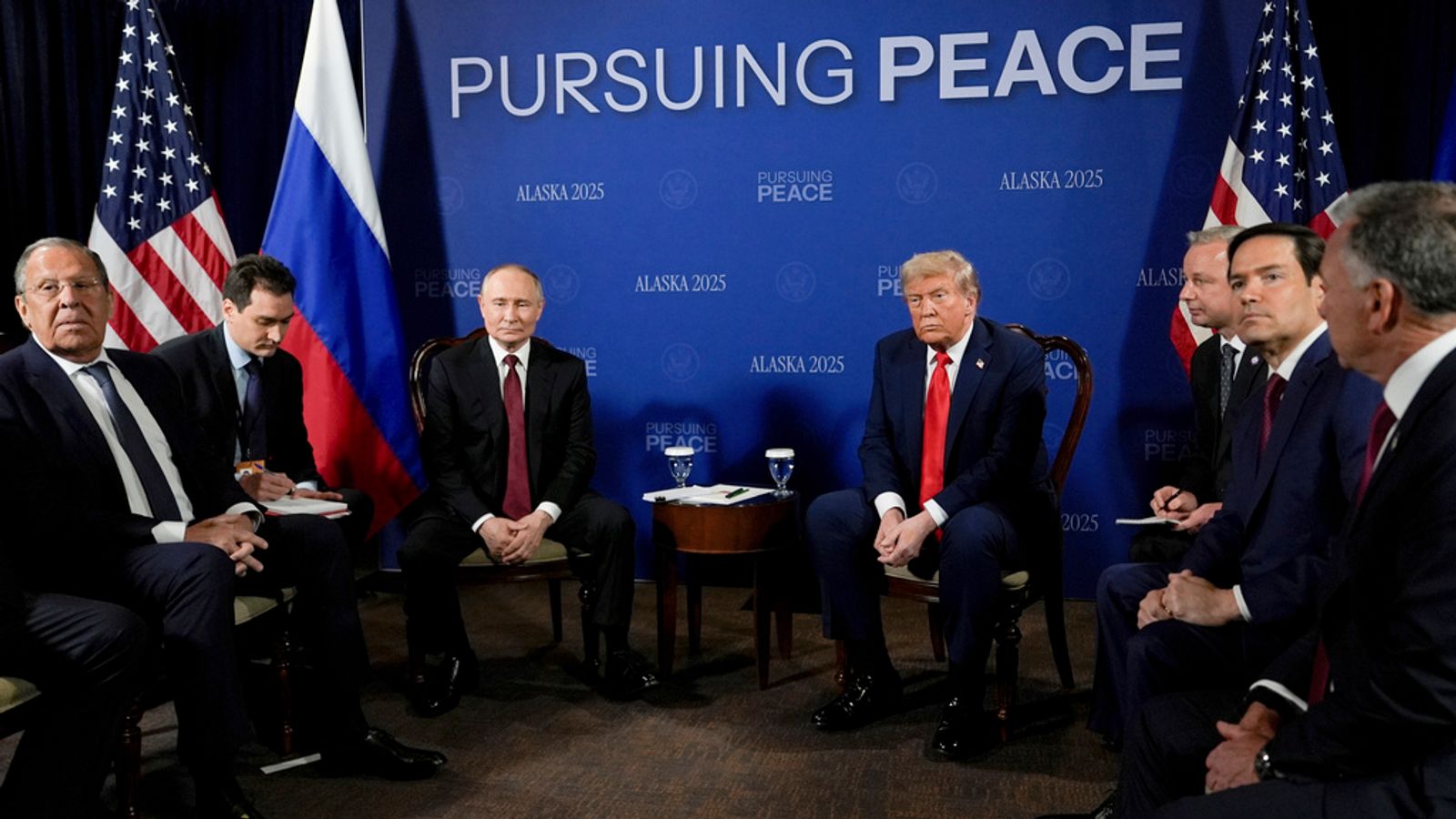
Mr Boyechko highlighted Putin exploiting Western discord, including US signals under President Donald Trump. He said: "Active intimidation and incursions form a doctrine to fracture unity through fear."
The EU advanced the loan by indefinitely freezing assets last week, removing renewal vulnerabilities, and pledging solidarity with Belgium against risks. Proponents view it as advancing reparations without direct confiscation—Ukraine repays only if Russia compensates for damages.
As talks continue amid stalled frontlines and US-Russia negotiations, Mr Boyechko's alarm reflects fears that apparent dithering could embolden Moscow. Founded by Boyechko, Hope For Ukraine has delivered aid to frontline areas since 2022, informing his advocacy for sustained support.
Europe's decision on Thursday could define its resolve against a widening threat.






 English (US) ·