
 3 weeks ago
28
3 weeks ago
28
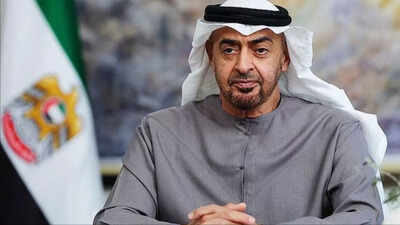
UAE President Urges Residents to Forgive Shortcomings as Iran vs US–Israel War Shakes the Emirates
The President of the United Arab Emirates, Mohamed bin Zayed Al Nahyan, delivered a powerful message of reassurance and unity after visiting people injured during recent regional tensions, urging residents to forgive any shortcomings while pledging that the country will defend itself and protect everyone living within its borders.
The remarks were broadcast on Abu Dhabi TV, marking the president’s first public message following a series of missile and drone interceptions linked to the escalating conflict involving Iran, Israel and the United States.The speech came at a moment of heightened anxiety across the Gulf, after falling debris from aerial interceptions caused damage in parts of Dubai and resulted in at least one fatality. In his address, the UAE leader emphasised national resilience, describing the country as strong and determined during difficult times.
He assured citizens and residents that the government would continue to fulfil its responsibility to defend the nation and ensure public safety.
UAE President Mohamed bin Zayed Al Nahyan's visit to the injured
Before delivering his message, Sheikh Mohamed visited patients injured during the recent incidents and currently receiving treatment at Sheikh Shakhbout Medical City in Abu Dhabi. During the visit, he spoke with victims and medical staff, wishing the injured a speedy recovery and expressing appreciation for the efforts of doctors and healthcare workers responding to the crisis.
Images released from the visit showed the president speaking directly with patients and offering words of encouragement to their families. The gesture was widely interpreted as a sign of solidarity during a period when residents across the country have been closely following developments in the wider Middle East conflict.Officials said the visit reflected the leadership’s commitment to supporting those affected and ensuring that the country’s emergency response and healthcare systems remain fully prepared.
UAE President Mohamed bin Zayed Al Nahyan's message of resilience amid Iran vs US-Israel war
In the televised address, Sheikh Mohamed acknowledged that the current regional situation has created uncertainty and concern among the public. He urged people across the UAE to remain calm and united, asking residents to forgive any shortcomings that might occur as authorities manage the situation. At the same time, he delivered a clear message about the country’s readiness to defend itself.
“The UAE is strong and resilient,” he said, emphasising that the country is “no easy prey” for those who threaten its security.
The president stressed that the government’s duty extends not only to Emirati citizens but also to the millions of expatriates who live and work in the country.“Our residents are part of our family,” he said, reiterating the UAE’s commitment to protecting everyone within its borders.
Rising regional tensions across the Gulf amid Iran vs US-Israel war
The president’s message comes amid one of the most volatile periods in the Middle East in recent years. The crisis intensified after U.S.
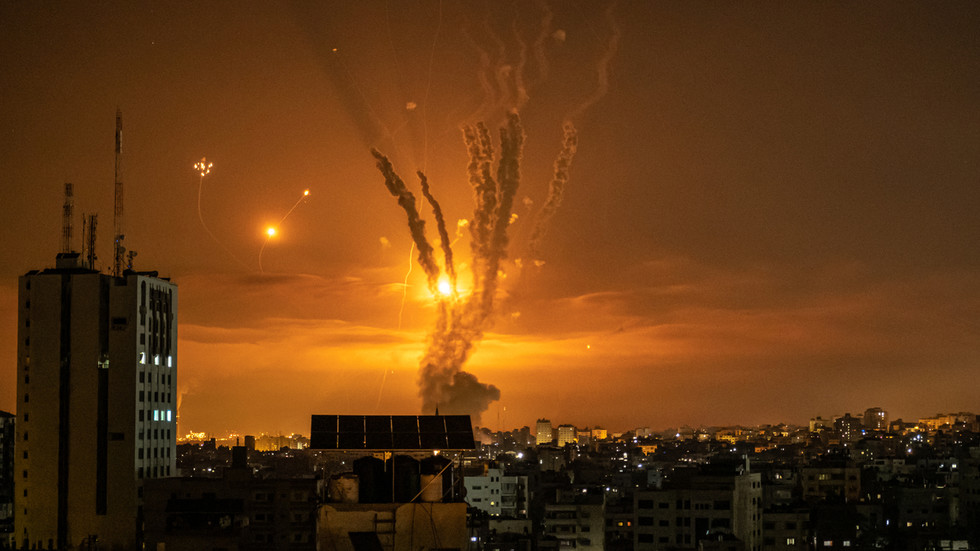
and Israeli strikes on Iranian targets, prompting Iran to launch waves of missiles and drones toward locations across the region. Several Gulf countries, including the UAE, have activated air defence systems to intercept incoming projectiles.
While most of these threats have been successfully neutralized in the air, falling debris from interceptions has caused damage in several locations. In Dubai, fragments struck a residential building in Dubai Marina and a vehicle in Al Barsha, the latter incident resulting in the death of a Pakistani driver.
These events have highlighted the challenges of defending densely populated cities during periods of aerial conflict.
UAE’s defence and security response amid amid Iran vs US-Israel war
The UAE has deployed advanced air defence systems designed to detect and intercept missiles and drones before they reach populated areas. These systems rely on a network of radar tracking, interceptor missiles, and coordinated military response units that operate around the clock. Authorities say these defences have successfully intercepted the vast majority of incoming threats during the current crisis.At the same time, the government has issued public safety alerts and emergency messages advising residents to stay indoors temporarily during interception operations. Officials say such precautions are necessary to minimize risks when defence systems engage incoming projectiles.Beyond security measures, the president’s message focused heavily on unity and social cohesion. The UAE is home to more than 200 nationalities, making it one of the most diverse societies in the world.
During moments of regional instability, maintaining social stability and public confidence becomes especially important.Sheikh Mohamed’s appeal for forgiveness and patience was widely interpreted as a call for understanding as authorities navigate a complex and evolving situation. Analysts say the message reflects the UAE leadership’s broader approach during crises—combining strong security assurances with an emphasis on solidarity among citizens and residents.
What happens next in the UAE amid Iran vs US-Israel war
Across the UAE, the president’s remarks quickly circulated on television and social media, prompting expressions of support and appreciation from residents. Many people praised the visit to injured patients and the reassurance offered during the televised address. Others highlighted the importance of clear communication from leadership during periods of heightened regional tension.
For expatriates in particular, the president’s statement emphasizing that residents are “part of the family” resonated strongly, reinforcing the country’s longstanding message of inclusivity.
While the UAE continues to monitor developments in the wider Middle East conflict, officials say the country remains fully prepared to respond to any threats.Security agencies, emergency services and healthcare providers remain on high alert, ensuring that the country can react quickly to any incidents linked to the regional situation. At the same time, diplomatic efforts across the region are ongoing, with international leaders calling for de-escalation to prevent further instability.For many residents, the president’s message served as both reassurance and a reminder of the uncertain geopolitical environment surrounding the Gulf. Ultimately, Sheikh Mohamed’s address combined empathy with determination. By visiting the injured, acknowledging public concerns and pledging to defend the nation, the UAE president sought to reinforce confidence at a time when regional tensions are running high.





 English (US) ·