
Amir Saeid Iravani, Permanent Representative of Iran to the United Nations, addresses the Security Council high-level debate on the safety of global waterways, amid growing concerns over threats to shipping and freedom of navigation, held on April 27, 2026. Credit: UN Photo/Mark Gartenby Maximilian Malawista (united nations)Thursday, July 23, 2026Inter Press Service UNITED NATIONS, July 23 (IPS) - Prior to the latest round of hostilities between the United States and Iran, freight traffic had been increasing in the Strait of Hormuz, and negotiations were underway for a new agreement to fully restore trade through this channel. According to UN Trade and Development (UNCTAD), energy markets were likely to bounce back to normal pre-conflict levels faster than that of food, public finance, and transport, leaving many vulnerable economies worse off. UNCTAD research shows a change from about 125 daily ship transits through the Strait of Hormuz in 2026, January 1st through February 27th, to a drop of around 10 daily transits from February 28th through June 14th during the conflict, marking a 92 percent decrease in overall transit ability.According to UNCTAD and the Strait of Hormuz monito...
Food and Transport Costs through Strait of Hormuz Remain High, Burdening Vulnerable Economies
 1 month ago
37
1 month ago
37
Related

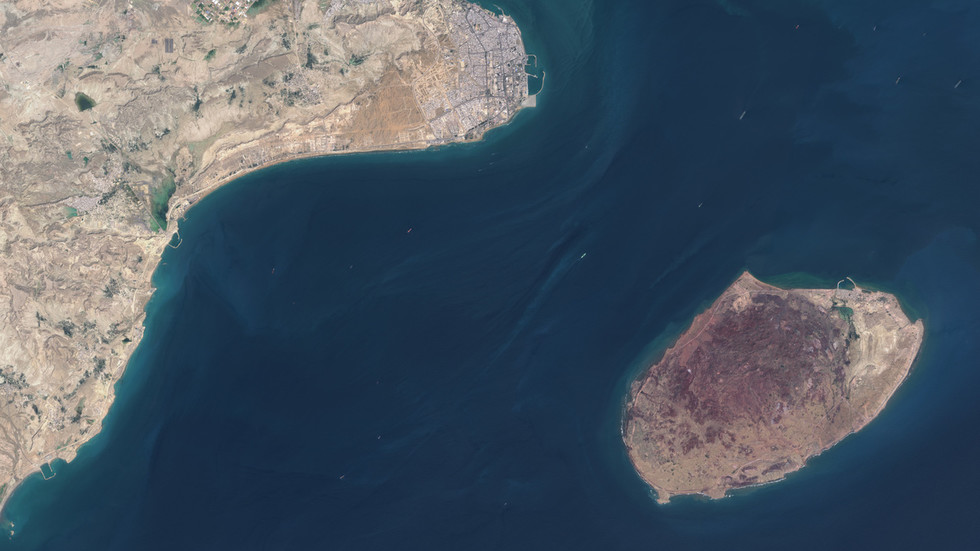
US strikes Iran for first time in a month
2 hours ago
4


Popular



 English (US) ·
 © Clint's World News 2026. All rights are reserved
