
Indonesia’s Flores Island was the site of a mangrove reforestation project launched in 2013, with native seedlings planted along the coast between Ende and Sikka. Ten years later, researchers surveyed restored areas at Bangkoor, Kolisia and Talibura to assess plant and animal diversity, carbon sequestration and energy storage. The study recorded 10 mangrove species and 10 fauna species across the three sites. Kolisia had the highest mangrove species richness, while Talibura had the highest fauna species richness. Restored stands also recorded carbon sequestration, although the researchers found differences in vegetation development between the three locations after a decade.What did scientists find in Indonesia’s replanted Flores mangrovesAccording to the study published in Scientific Reports titled ‘Mangroves, fauna compositions and carbon sequestration after ten years restoration on Flores Island, Indonesia’, the survey identified 10 mangrove species from six families across the three locations. Kolisia recorded the highest plant species richness, with eight species, followed by Bangkoor with seven and Talibura with five. The study found that Kolisia had the highest vegetation di...
Flores mangrove restoration supported 10 faunal species and stored 70 Mg of CO2 over 10 years.
 3 weeks ago
45
3 weeks ago
45
Related

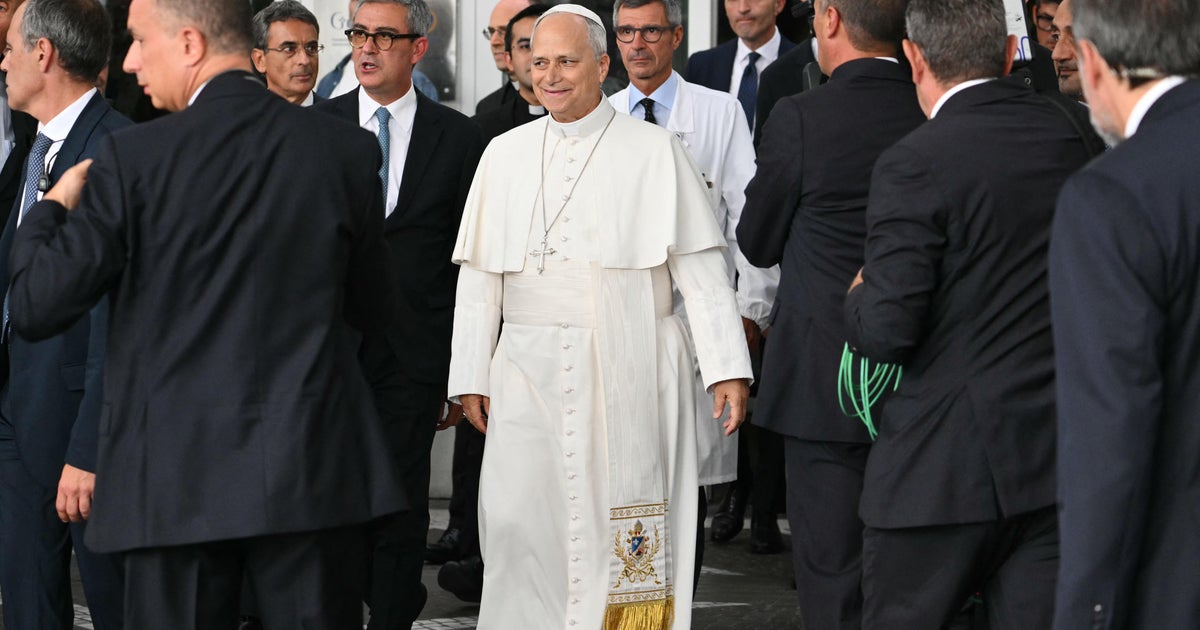

Pope Leo returns to Vatican after lung cancer surgery
6 hours ago
10


Popular


Oil prices rise as Chinese refiners reportedly ban October f...
2 weeks ago
246

OpenAI fires workers for mishandling 'sensitive information'...
2 weeks ago
233

CNBC Daily Open: Three’s a crowd: U.S. carrier buildup in Mi...
2 weeks ago
229

Meet the seventh-grader who found psyllium could remove 93.3...
2 weeks ago
221
 English (US) ·
 © Clint's World News 2026. All rights are reserved
