
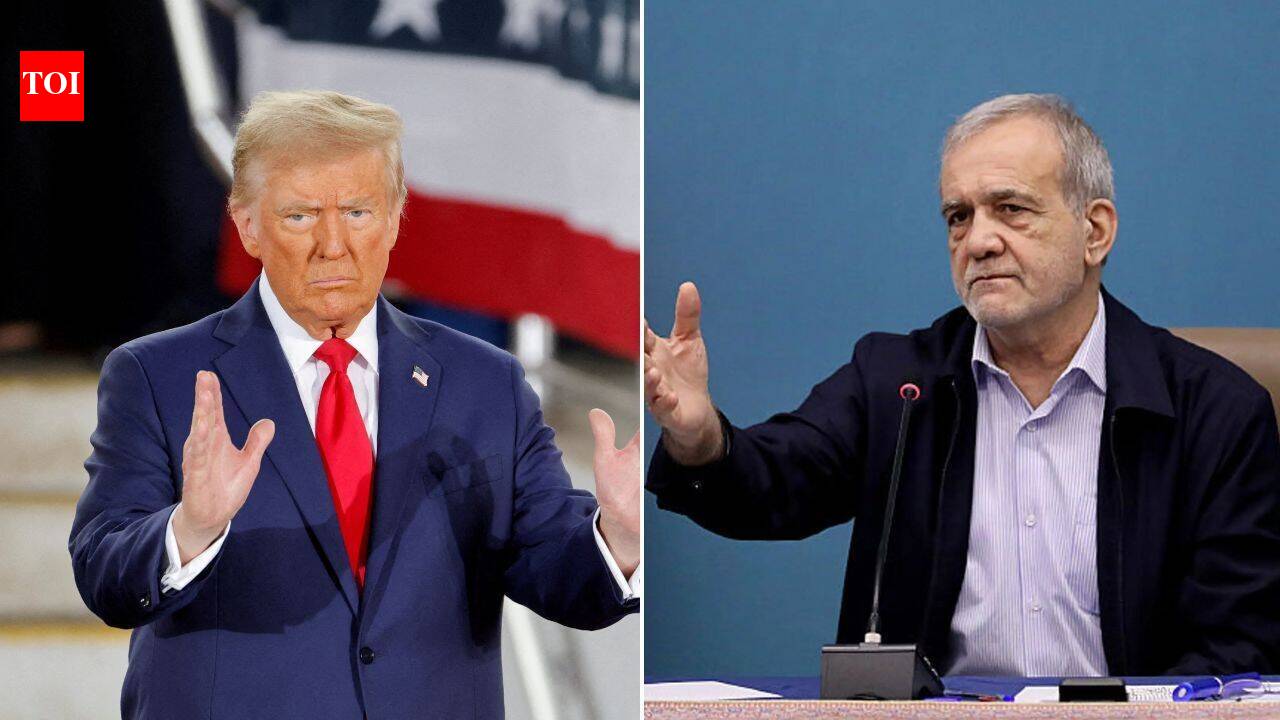
Iran’s claim that it has closed the Strait of Hormuz is raising new questions about the future of a shaky agreement with the United States, even as both sides prepare for another round of talks.

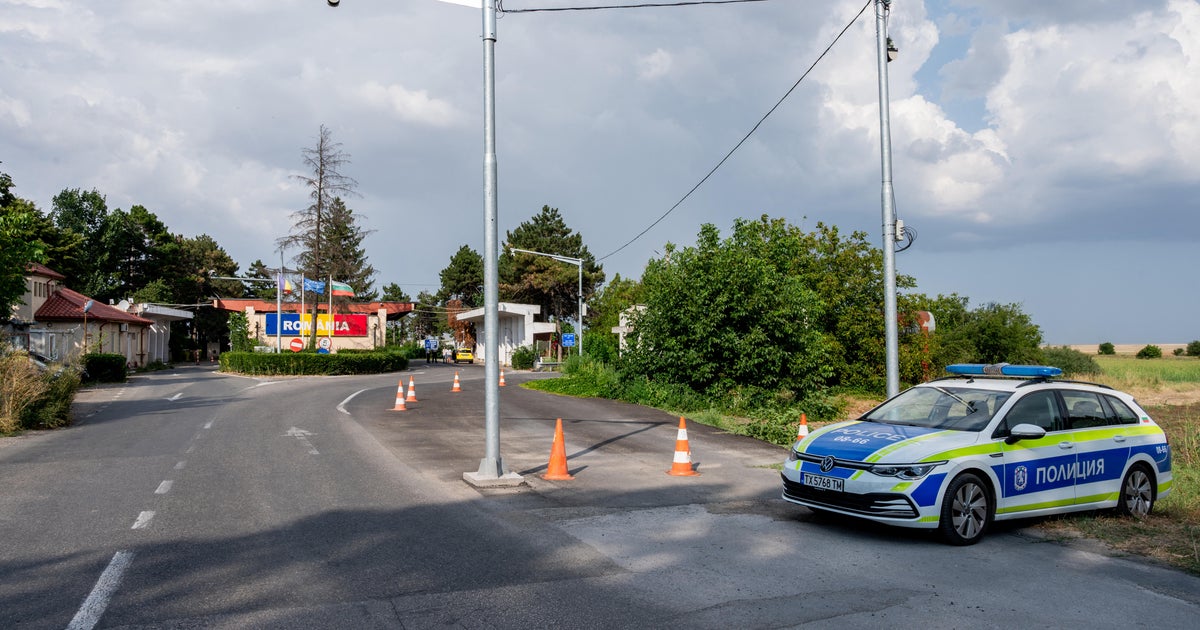
Iran said Saturday it had closed the strategic waterway following Israeli attacks in Lebanon and what it describes as a U.S. failure to uphold commitments under the agreement.
The United States disputed the claim, saying Iran does not control the strait and that commercial traffic continued to move through the area.
The developments came as Iranian officials head to Switzerland for talks on what could eventually become a broader agreement. U.S. Vice-President JD Vance also departed for Switzerland on Saturday.
Alan Eyra, a former U.S. diplomat, believes lasting peace remains a long way off.
“We’re nearly at the starting line. It’s going to be a long, fragile process,” Eyra told Global News Saturday morning.
Story continues below advertisement
“I was not surprised. Israel was not a signatory to the deal and wants to continue the fight against Hezbollah and indeed against Iran.”
For security expert Christian Leuprecht, the tensions aren’t surprising.
6:28
Expert says Iran deal faces hurdles amid disputes over Strait of Hormuz

“They couldn’t even agree on signing this agreement,” he told Global News. “I think this will be heavy lifting.”

Get breaking National news
Get breaking Canada news delivered to your inbox as it happens so you won't miss a trending story.
Leuprecht, who is also director of the Institute of Intergovernmental Relations at Queen’s University, said the two sides appear to be pursuing different objectives.
“The United States wants a deal with Iran and Iran is trying to make this into a broader deal that includes its proxies in the region,” he said. One of those groups is Hezbollah.
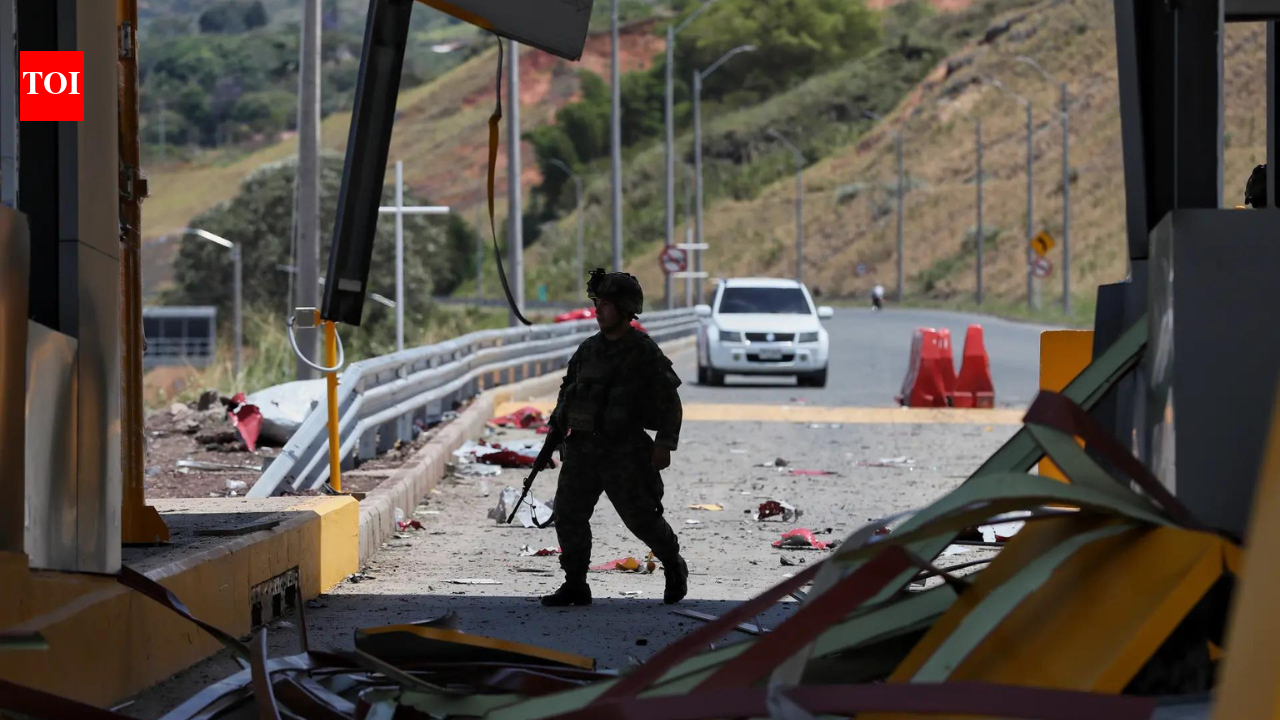
The uncertainty comes as fighting continues in Lebanon. Israeli strikes on southern Lebanon killed at least 16 people Saturday, according to Lebanese officials, while Israel said Hezbollah launched more than 50 projectiles at its forces overnight.
Story continues below advertisement
Neither Israel nor Hezbollah is a signatory to the agreement between the United States and Iran.
“This ceasefire is fragile. And as we’ve seen is coming and going routinely.” Eyra said.
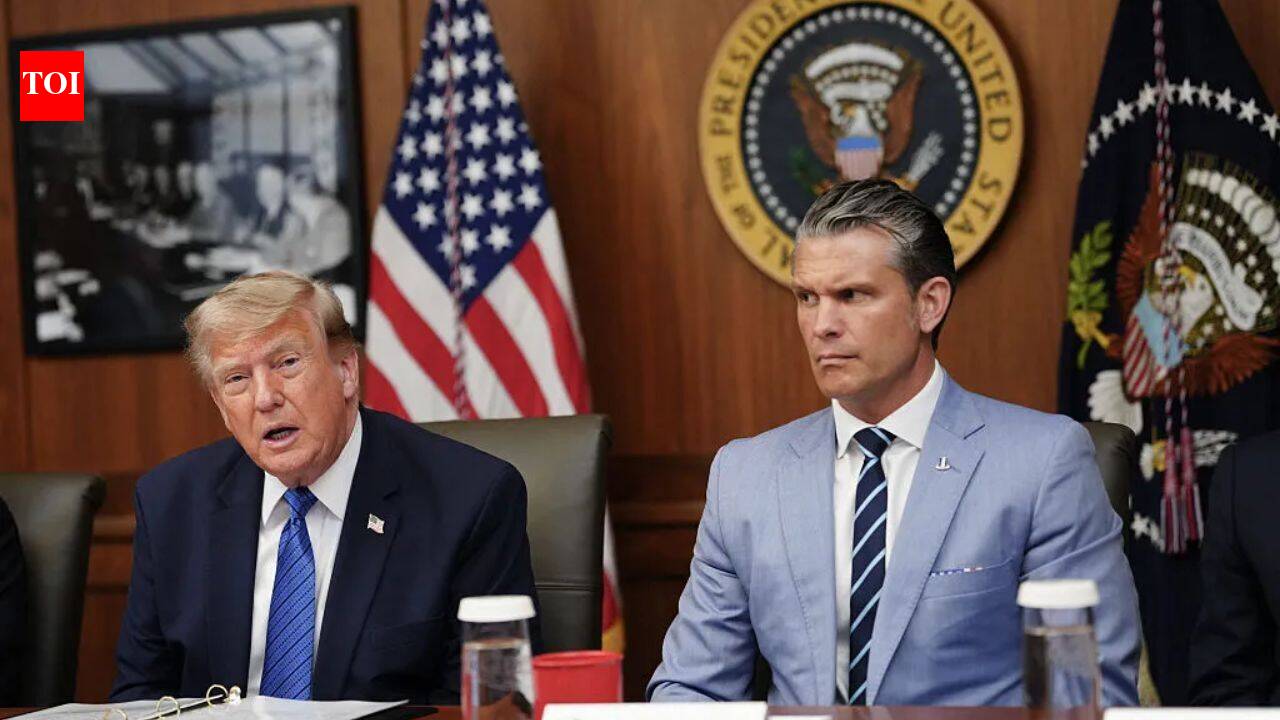
Calling the situation “complicated,” Leuprecht said U.S. President Donald Trump’s broader objective is to reshape America’s relationship with Iran while reducing the amount of military resources devoted to the Middle East.
“The United States keeps getting tied down in the Middle East with its military assets when it really should be deploying those military assets to the Indo-Pacific to contain China,” he said.
Leuprecht also argued that the conflict has exposed challenges for the United States in achieving its strategic objectives.
“The problem is, Iran has significantly weakened the U.S.,” he said. “The entire world can see that even with this mighty U.S. military, the U.S. cannot achieve its strategic objectives, at least it cannot do it alone.”
He added that the conflict could have broader implications for the international system.
“So what we’re going to see is a much more decentralized world. It’s a world that’s going to be even less wedded to the rules-based international order and that is going to be even more volatile as a result,” Leuprecht said.
He said countries such as Canada may eventually face difficult decisions about how actively they want to shape global affairs.
Story continues below advertisement
“If we don’t like the results that we’re seeing from the United States, then perhaps we shouldn’t be doing more of the usual,” he said.
Eyre was also skeptical negotiators would be able to reach a final agreement within the 60-day timeline outlined in the memorandum of understanding.
7:01
Fighting in Lebanon threatens to undermine U.S.-Iran peace deal

“The 60-day timeline is ridiculous,” he said.
“There’s no way that there’s going to be a negotiated agreement within 60 days, possibly within 120 days. My own personal belief is that the U.S. and Iran will not be able to negotiate an agreement on the nuclear issue.”
As negotiators prepare for talks in Switzerland, major questions remain about whether the interim agreement can evolve into a lasting deal.





 English (US) ·