This month, the country enacted a new law to replenish its ageing military reserve.
21:13, Sat, Jan 31, 2026 Updated: 21:13, Sat, Jan 31, 2026
This month, the country enacted a new law to replenish its ageing military reserve. (Image: Getty)
This month, Romanian President Nicușor Dan promulgated a new law in a bid to replenish the country's ageing military reserve without reintroducing compulsory conscription. The legislation serves as a strategic middle ground, allowing the country to strengthen its national defence and replenish its ageing reserve forces without reintroducing mandatory conscription.
The program is open to both men and women between the ages of 18 and 35 who have not previously served in the military. Participants undergo a basic training period lasting up to four months, during which they are stationed at Romanian Army units to learn essential skills such as weapons handling, physical conditioning, and basic tactical manoeuvres. During this time, the state covers all costs for meals, accommodation, medical care and provides a monthly allowance.
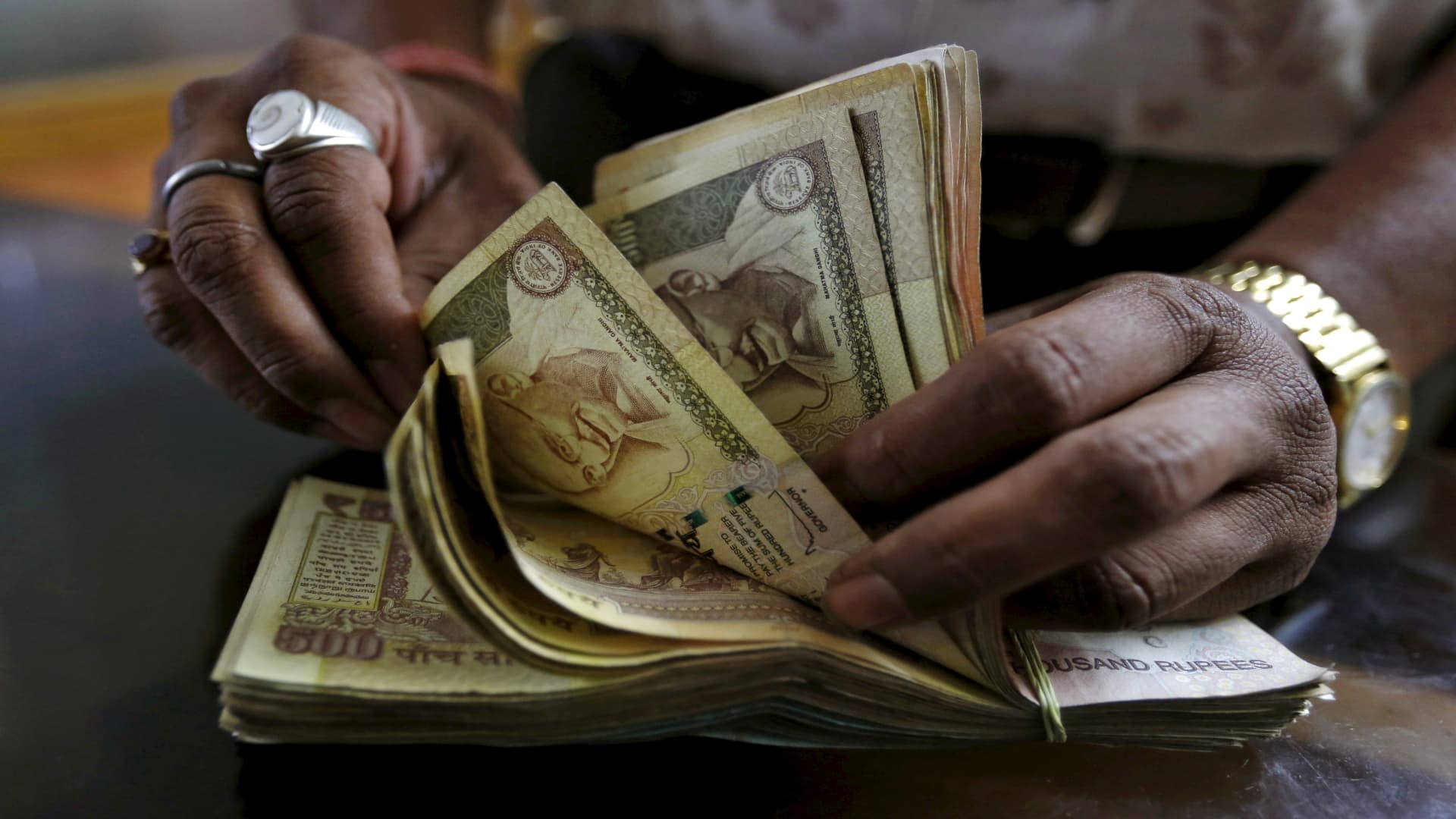
The law introduces a substantial financial reward for those who finish the program (Image: Getty)
To attract young volunteers, the law introduces a substantial financial reward for those who finish the program. Upon completion, each volunteer receives a one-time payment equivalent to three average gross wages, estimated at approximately 25,850 lei (£4,500).
However, any participant who fails to complete the training must reimburse the state for the allowance received and the expenses incurred during their instruction.
Once the four-month program is finished, they will be integrated into the operational reserve. This status means they can be called back periodically for drills or to be briefed on new military technology and equipment. This ensures that the Romanian Army maintains a ready-to-act force familiar with modern NATO-aligned standards and equipment.
Romania shares a 400-mile border with Ukraine and the conflict has repeatedly split over into Romanian territory (Image: Getty)
Romania's Minister of National Defence, Radu Miruță, stressed that this law is intended to modernise the military's human resources in light of regional security concerns, particularly with the ongoing conflict between Russia and Ukraine. The government aims to professionalise the reserve pool, which has seen its numbers decline since compulsory service was suspended in 2007. The target for the inaugural year is to successfully train approximately 1,000 volunteer reservists.
The latest news from around the world Invalid email
We use your sign-up to provide content in ways you've consented to and to improve our understanding of you. This may include adverts from us and 3rd parties based on our understanding. You can unsubscribe at any time. Read our Privacy Policy
Romania shares a 400-mile border with Ukraine. The ongoing conflict has repeatedly split over into Romanian territory, primarily in the form of drone debris and airspace violations near the Danube ports of Reni and Izmail. These incidents, while often accidental, have forced the Romanian military to build shelters for civilians in border villages and have raised questions about the army's legal authority to intercept threats during peacetime.
A major strategic fear for Bucharest is the potential fall of Odesa. If Russian forces were to capture this port city, they could establish a land bridge to Transnistria - a pro-Russian breakaway region in Moldova. This would create a direct land border between Russia and Romania, placing Russian ground forces directly at NATO's doorstep.

 1 week ago
12
1 week ago
12







 English (US) ·