
MALABO, Equatorial Guinea -- With its torrential rains, tropical forests and omnipresent humidity, Equatorial Guinea provides the perfect conditions for mosquitoes to breed. For centuries, mosquito-borne diseases, in particular malaria, have dictated the fate of residents of this central African nation, impacting how they lived, worked and died.But Bioko island, off mainland Equatorial Guinea, has managed to sharply reduce malaria infections and deaths.Bioko, roughly half the size of Rhode Island, has used familiar tools: indoor spraying, mosquito nets and keeping control of the larvae population. Its success, however, has depended on something less easily replicated: two decades of painstaking data collection, sustained funding and workers going door to door to win residents’ trust.Now the tiny, oil-rich country wants to bring that approach to its mainland and eliminate malaria altogether. But the expansion of Bioko's strategy presents formidable challenges, from porous international borders to the sheer scale of the territory.In Malabo, Bioko’s biggest city, a team of men and women equipped with insecticide sprayers squeezed between low-rise cement buildings on a recent morning, ...
Equatorial Guinea is expanding an ambitious malaria elimination plan
 2 hours ago
11
2 hours ago
11
Related

Haaland’s record scoring spree helps Man City to seventh Pre...
40 minutes ago
3

Chelsea’s injury-hit Emi Martinez will return to action ‘in ...
56 minutes ago
3
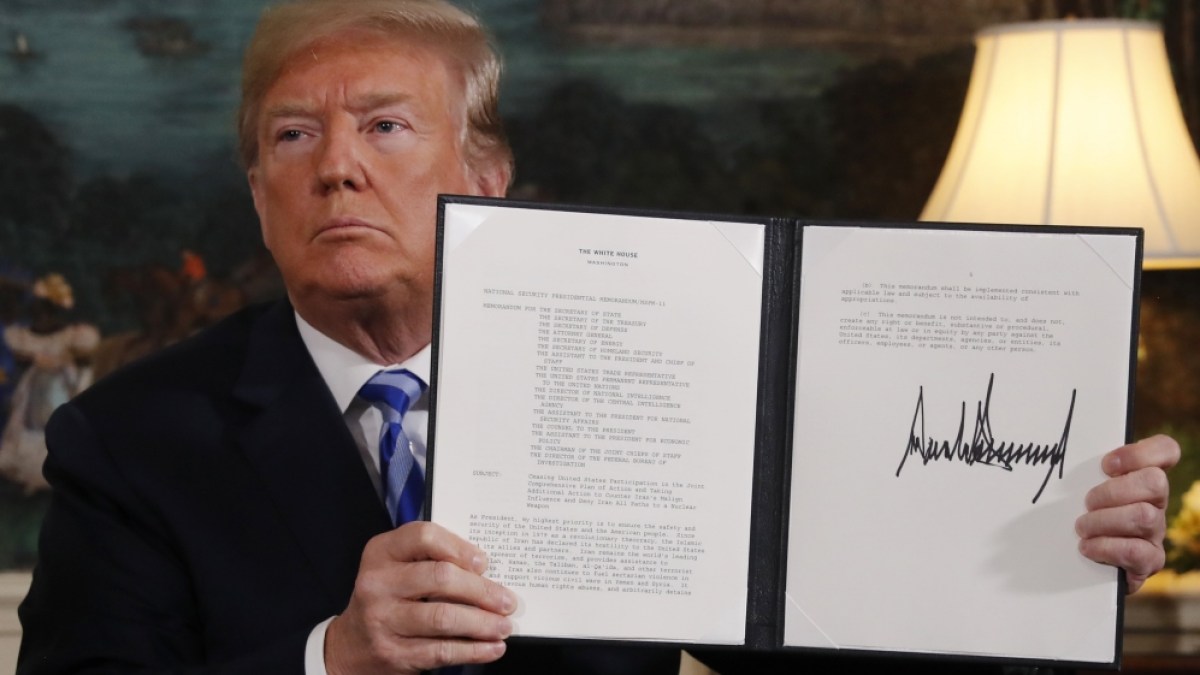
Why Iran-US negotiations keep failing
2 hours ago
7


Popular


Oil prices rise as Chinese refiners reportedly ban October f...
2 weeks ago
250

OpenAI fires workers for mishandling 'sensitive information'...
2 weeks ago
239

CNBC Daily Open: Three’s a crowd: U.S. carrier buildup in Mi...
2 weeks ago
234

Meet the seventh-grader who found psyllium could remove 93.3...
2 weeks ago
225
 English (US) ·
 © Clint's World News 2026. All rights are reserved
