
 1 month ago
16
1 month ago
16
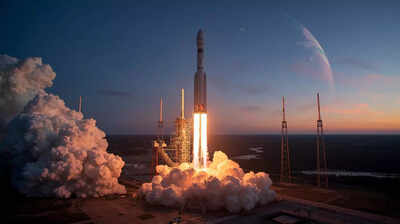
The year opened without much noise, but something significant still happened over the California coast. A rocket lifted off in the early evening, carrying a satellite that will spend years watching Earth rather than drawing attention to itself.
There were no tourists on board and no record-breaking claims attached to it. Still, the launch mattered. It linked an American launch company with an Italian programme that blends military needs and civilian use. It also marked SpaceX’s return to flight after an unusual pause. For Europe, it added another eye in orbit. For SpaceX, it set the tone for 2026. Not flashy, not experimental, just a job done cleanly and on time after delays that tested patience.
SpaceX opens 2026 with an Italian satellite in orbit
The satellite aboard the Falcon 9 was COSMO SkyMed Second Generation Flight Model 3. It is part of a four-satellite system built for Italy by Thales Alenia Space. The programme is jointly run by the Italian Space Agency and the Ministry of Defence. Its purpose is observation. The satellite uses radar rather than visible light, which allows it to see through clouds and operate at night. That makes it useful for tracking environmental changes, monitoring disasters, and supporting defence planning.
Unlike optical satellites, it does not wait for clear skies. This steady reliability is what makes it valuable, even if it never produces images that the public will see.
When and where did the launch take place
The launch happened on January 2, 2026, from Vandenberg Space Force Base in California. Falcon 9 lifted off just after six in the evening local time. The mission had been delayed several times. Initial plans pointed to late December, but technical problems at the launch pad forced a rethink.
A fault in the hydraulic system that secures the rocket caused further checks. None of this was dramatic, but it slowed things down. When the rocket finally flew, it did so without trouble. The booster landed safely after deployment, continuing a pattern that has become routine rather than remarkable.
How does this satellite fit into Italy’s wider plans
COSMO SkyMed is not a new idea. Italy has operated earlier versions of the system for years. The second-generation satellites are meant to replace and improve those originals.
This one is the third in the upgraded group. Together, they allow faster revisit times and sharper imaging. Civil agencies use the data to track floods, earthquakes, and land changes. Military planners use it for surveillance and situational awareness.
That dual role is central to the programme. It reflects how space assets are no longer easily separated into peaceful or strategic categories. They sit somewhere in between, quietly doing both.
What does this say about SpaceX in 2026
This mission also marked SpaceX’s first launch of the year after a sixteen-day gap. That pause was the longest the company has had in several years. Part of it came from adjustments to its Starlink programme and internal checks. Launching an international government payload so early in the year sends a message. SpaceX's focus extends beyond its own satellite network. It continues to serve foreign clients and national agencies.
The Falcon 9 system has become familiar, almost background machinery. That familiarity is its strength. It suggests a company settling into a role as infrastructure rather than spectacle.The satellite will now circle Earth quietly, sending back data most people will never notice. The launch itself will fade from memory. That is often how these things work. The effects last longer than the moment.









 English (US) ·