
 3 weeks ago
12
3 weeks ago
12

FILE - Pennsylvania Gov. Josh Shapiro watches warm ups before an NFL football game between the Philadelphia Eagles and the Detroit Lions on Sunday, Nov. 16, 2025, in Philadelphia. (AP Photo/Matt Slocum, File)
When Pennsylvania governor Josh Shapiro revealed that he was asked whether he had ever been a “double agent for Israel” during the 2024 vice-presidential vetting process, it was not just an explosive anecdote.
It became a window into the internal anxieties of the Democratic Party at a moment when it was deeply divided over identity, foreign policy, and electoral pragmatism.Shapiro’s disclosure, drawn from his forthcoming memoir, landed with particular force because it cut across three unresolved Democratic debates: how Jewish Democrats are treated within the party, how the Gaza war reshaped campaign decision-making, and whether the party misread what it needed in a bruising national contest against Donald Trump and his running mate JD Vance.This is not simply a story about one offensive question. It is about how a campaign’s internal logic may have sidelined one of its most electorally effective figures — and whether that decision cost Democrats dearly.
The question that changed the tone
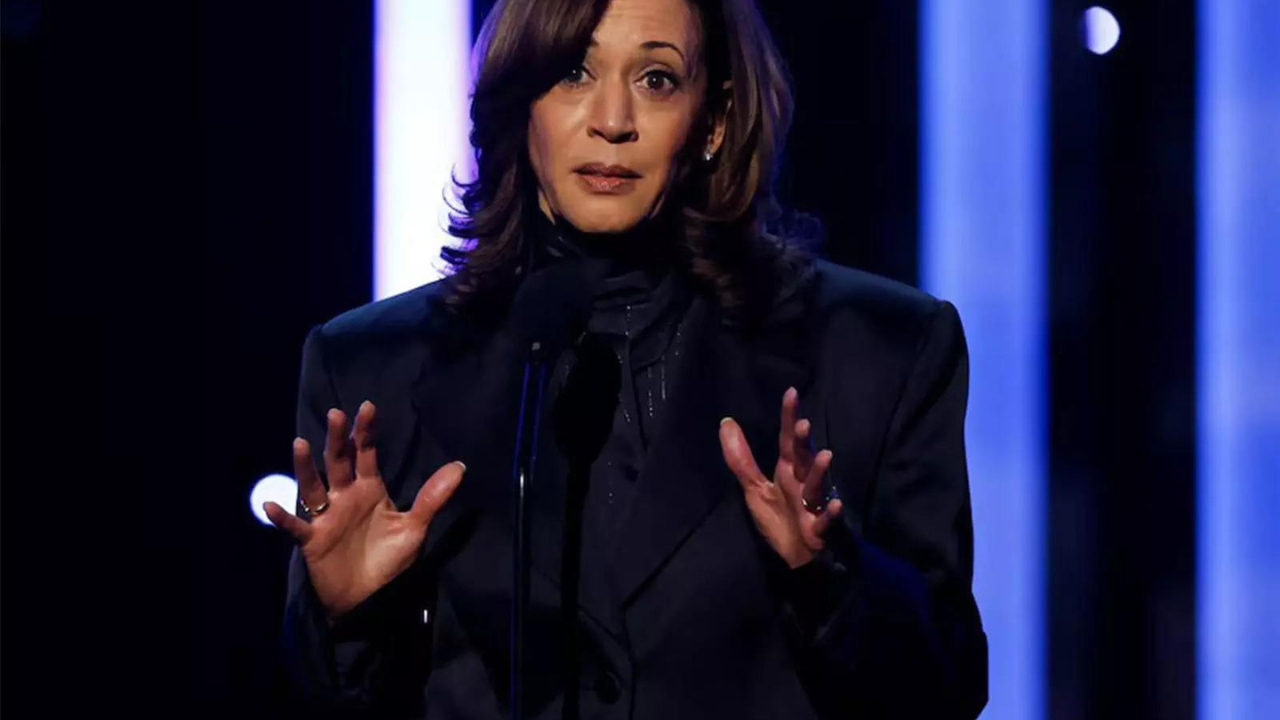
According to Shapiro, the vice-presidential vetting process took a sharp turn when Harris’s team began pressing him repeatedly on Israel. The questioning culminated in a blunt and, in his telling, deeply unsettling query: had he ever acted as an agent, or even a “double agent,” for Israel?Shapiro writes that he pushed back immediately, calling the question offensive and absurd.
What troubled him more than the question itself was what it suggested about the assumptions being made. He wondered whether similar scrutiny was being applied to non-Jewish contenders, or whether he was being treated as a unique risk because of his identity and his outspoken criticism of antisemitism on US college campuses after the October 7 attacks.Importantly, Shapiro has been careful not to accuse Kamala Harris herself of antisemitism.
His criticism is directed instead at the culture and instincts of the campaign apparatus around her. But the damage was done. The episode reinforced a perception that, at a moment of intense pressure from the party’s progressive flank over Gaza, Jewish politicians who were publicly firm about antisemitism had become liabilities rather than assets.
What Harris’s camp was worried about
From Harris’s perspective, the concern appears to have been political, not personal.
In her own memoir, she alludes to worries about how Shapiro’s record on Israel and campus protests might dampen enthusiasm among younger and progressive voters already alienated by US policy in Gaza. She also suggests that Shapiro might have struggled to accept the constraints of the vice-presidential role, hinting at differences in temperament and expectations.Taken together, these explanations point to a campaign operating in defensive mode.
The Harris team was trying to hold together a fragile coalition that included pro-Palestinian activists, progressive lawmakers, and a Democratic base increasingly sceptical of US support for Israel. In that environment, Shapiro’s clarity on antisemitism and law-and-order issues looked, to some strategists, like a risk.The irony is that these very qualities had made Shapiro one of the party’s most successful statewide politicians.
Why Shapiro was electorally valuable
Shapiro was not just another governor on the shortlist. He was the governor of Pennsylvania — the ultimate swing state — with a proven ability to win over moderates, independents, and even some Republican voters. He had built a reputation as a disciplined communicator, a tough but careful executive, and a Democrat who could speak fluently about public safety without alienating the base.In a race that ultimately came down to razor-thin margins in a handful of battleground states, Shapiro represented something Democrats have often struggled to find: a figure who could bridge cultural divides without sounding scripted or apologetic.Just as importantly, he was a sharp debater. Comfortable with policy detail and adversarial questioning, Shapiro had spent years handling hostile legislatures, court battles, and national media scrutiny. That skill set mattered more than many in the party were willing to admit.
The Walz pick and the debate problem

Gov. Tim Walz smiles at a child before speaking during a press conference on Tuesday, Jan. 6, 2026 at the Coliseum Building in Minneapolis. (Kerem Yücel/Minnesota Public Radio via AP)
Instead of Shapiro, Harris chose Tim Walz, a likeable Midwestern governor with a folksy style and a solid progressive record. The rationale was clear: Walz was seen as less polarising, less threatening to the party’s activist base, and more aligned with Harris’s political instincts.But the vice-presidential debate exposed the limits of that choice.Walz was earnest and disciplined, but he struggled to match JD Vance’s fluency and aggression. Vance, a trained lawyer and seasoned culture-war combatant, repeatedly dictated the terms of the exchange, forcing Walz into defensive explanations rather than offensive challenges. While the debate did not produce a single catastrophic moment, it reinforced a broader impression that Democrats were being outmanoeuvred rhetorically.This is where the counterfactual becomes unavoidable. Shapiro, with his prosecutorial instincts and comfort with confrontation, would almost certainly have taken a more assertive approach. He had the ability to expose inconsistencies, press vulnerabilities, and turn policy arguments into moral ones — a skill Vance used to great effect.
Identity, Gaza, and internal party fear
At the heart of the Shapiro episode is a deeper Democratic unease about identity politics in the post-Gaza landscape.
The party has long prided itself on being a broad church, but the Israel-Hamas war fractured that coalition in unprecedented ways. Jewish Democrats found themselves under pressure to qualify their positions, while Muslim and progressive activists demanded sharper breaks from traditional US policy.Rather than confronting those tensions head-on, the Harris campaign appeared to manage them through risk avoidance.
That meant steering away from candidates who might provoke internal backlash, even if those candidates offered clear electoral advantages.Shapiro’s experience suggests that, in moments of crisis, the party’s commitment to pluralism can give way to a narrower calculus driven by fear of social media outrage and activist discontent.
What the episode reveals about Democratic decision-making
The question Democrats now have to ask is not whether the “double agent” question was inappropriate — most agree that it was — but what it symbolises.It symbolises a campaign that prioritised internal harmony over external combativeness. It symbolises a reluctance to trust voters with complexity, opting instead to manage perceptions through candidate selection. And it symbolises a broader discomfort with leaders who do not fit neatly into ideological boxes.Shapiro’s sidelining did not lose Democrats the election on its own. But it reflects a pattern of cautious, inward-looking choices that left the party poorly equipped for a brutal general election fight.
The larger lesson
As Democrats look ahead to the next cycle, the Shapiro episode will linger as a cautionary tale. Winning national elections requires more than avoiding offence. It requires candidates who can argue, persuade, and withstand scrutiny from opponents who have no such inhibitions.The uncomfortable possibility is that, in trying so hard not to upset itself, the Democratic Party passed over one of its most effective political weapons — and paid the price for it.









 English (US) ·