
Chocolate has been providing a sugar high to humans for centuries, enough to inspire them to build monuments too. A new genetic analysis of pottery pieces near the Etowah Indian Mounds has revealed the earliest known traces of cacao east of the Mississippi River, according to Smithsonian Magazine, citing a study published in PLOS One on August 26.According to the study, the cacao beans reached Etowah by around the 11th century, citing new evidence of traces of the substance in North America. “This study presents the first evidence that cacao consumption was part of the Mississippian world at roughly the same time as it appeared at Chaco [Canyon],” the study reads. “This discovery at Etowah asks us to broaden our understanding of the networks that distributed cacao throughout the Americas before European colonisation.” “The Indigenous world of the Southeast was an international world, where people were very connected,” said Adam King, an archaeologist at the University of South Carolina.The artefacts that stored chocolateThe authors used mass spectrometry to detect four compounds known to be present in cacao: theobromine, theophylline, caffeine and paraxanthineSitting just northwest...
Chocolate reached east of Mississippi 1,000 years ago; ancient pottery reveals cacao at feasts
 1 hour ago
8
1 hour ago
8
Related

Kenyan prisoners play chess for fun behind bars and to help ...
35 minutes ago
1

CNBC Daily Open: 'Red' diesel to hit U.S. highways
37 minutes ago
2
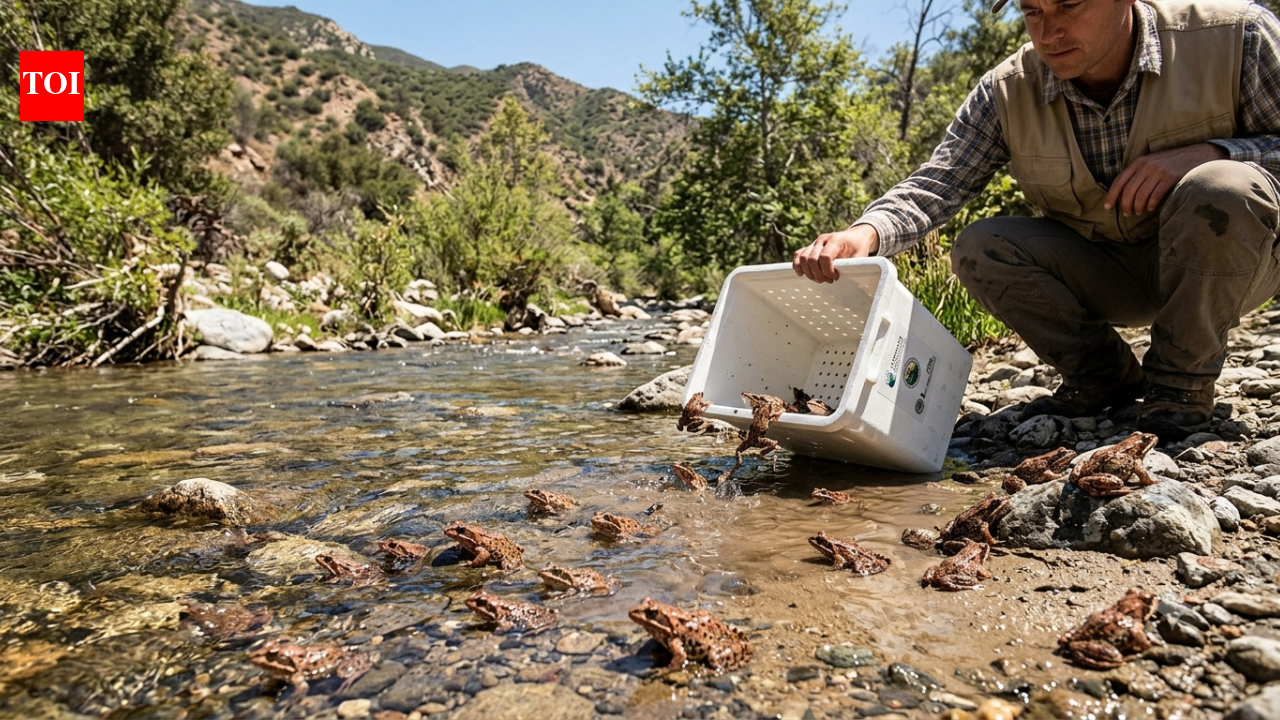
Southern California’s mountain frogs begin their return with...
58 minutes ago
5

Widowed twice: A Gaza mother’s story of loss and survival
59 minutes ago
5

Popular





 English (US) ·
 © Clint's World News 2026. All rights are reserved
