
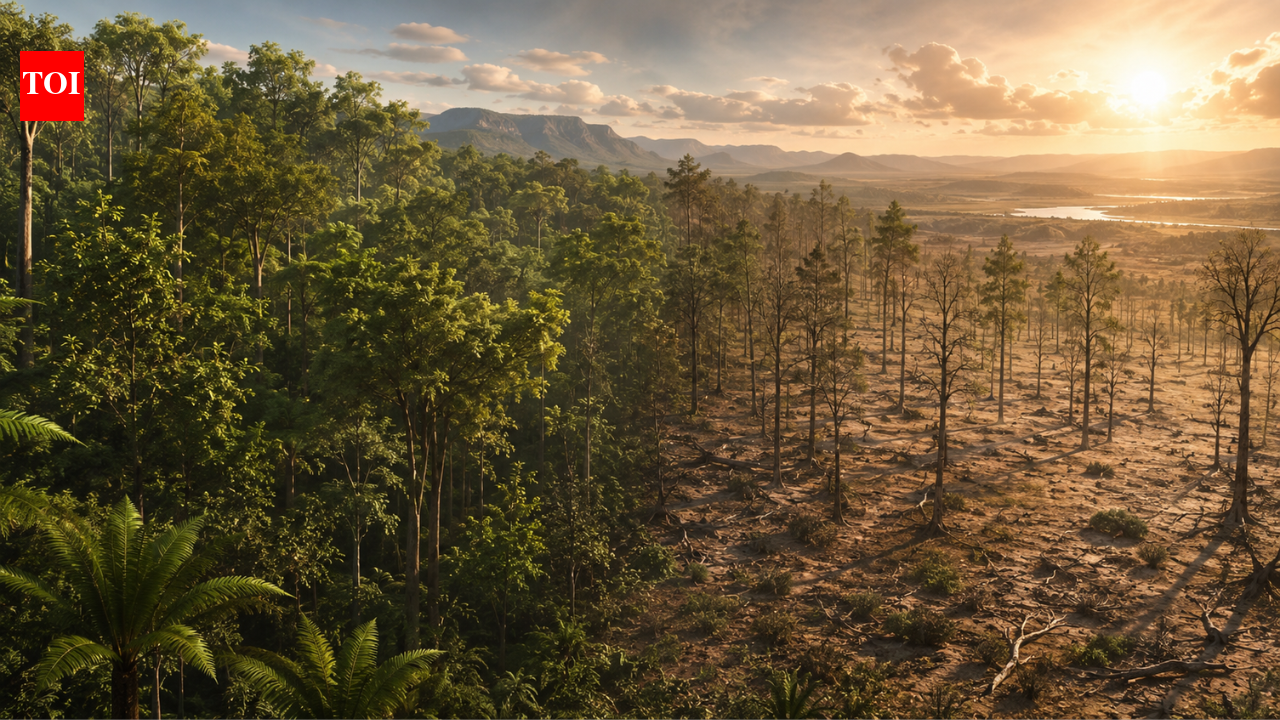
China's shelterbelt initiative has made remarkable strides, turning arid desert borders into thriving carbon sinks. Through strategic vegetation choices, this project now captures more carbon dioxide than it expels. This achievement is anchored in mountain meltwater, vital for its irrigation systems. The initiative showcases the powerful impact of ecological restoration given optimal environmental conditions, though future water supply will be critical for sustaining these achievements. For decades, the Taklamakan Desert has stood as one of the harshest landscapes in Asia. Stretching across China's Xinjiang region, it is defined by vast sand dunes, sparse rainfall and conditions that leave little room for plant life. Yet the edges of this immense desert have been changing slowly, almost quietly. Rows of shelter forests, shrubs and restored vegetation have gradually spread across areas once dominated by bare sand. What began as an ambitious effort to slow desert expansion has developed into something with wider environmental significance.Recent satellite observations now suggest that parts of this restored landscape are removing more carbon dioxide from the atmosphere than they rele...
China's Taklamakan Desert is now capturing more carbon than it emits
 1 week ago
22
1 week ago
22
Related




Popular



Mapping the latest US strikes across Iran
4 weeks ago
78


 English (US) ·
 © Clint's World News 2026. All rights are reserved
