
 2 hours ago
1
2 hours ago
1
MONGKOL BOREY, Cambodia -- Heavy combat between Thailand and Cambodia entered a second week on Monday, with Phnom Penh claiming that Thai bombing is hitting deeper into its territory, coming close to shelters for people who had already fled dangerous areas along the border.
According to Cambodia’s defense and information ministries, shortly after 10 a.m. local time on Monday, Thai F-16 fighter jets dropped two bombs near camps for displaced people in the Chong Kal district in the Oddar Meanchey province and the Srei Snam district in the Siem Reap province.
The bombing in Srei Snam, located more than 70 kilometers (43 miles) inside Cambodian territory, targeted a bridge, said the Cambodian authorities.
Siem Reap is home to Cambodia’s world-famous Angkor Wat temple complex, a UNESCO World Heritage site and the country’s biggest tourist attraction.
There was no immediate comment from Thai officials.
Access to the combat zone and nearby areas is limited, so few claims by either side can be independently verified.
The two sides are battling over longstanding competing claims to patches of frontier land, some of which contain centuries-old temple ruins.
More than two dozen people on both sides of the border have officially been reported killed in the past week’s fighting, while more than half a million have been displaced, according to officials.
At a news conference on Monday morning, Thai officials issued an estimate of what damage has been inflicted on Cambodia’s military since a skirmish on Dec. 7 that wounded two Thai soldiers ignited large-scale fighting the day after.
They said Cambodian losses included 12 tanks, 10 armored vehicles, four anti-aircraft artillery systems, 7 artillery pieces or mortars, five anti-drone systems, 175 drones, five communication hubs, and one BM-21 mobile rocket launcher.
Thailand says Cambodia has fired thousands of rockets from the truck-mounted BM-21 launchers, which have a range of 30-40 kilometers (19-25 miles) and can fire up to 40 projectiles at a time.
Thailand’s government announced on Sunday that a rocket attack from Cambodia had killed a 63-year-old villager, its first civilian death reported as a direct result of combat.
Col. Ritcha Suksuwanon, a Thai army deputy spokesperson, said on Sunday an intact Chinese GAM-102LR guided anti-tank missile system was seized. Thailand estimates among Cambodia’s losses some 82 military positions and 505 Cambodian military personnel reportedly killed.
Cambodia has dismissed as disinformation previous Thai estimates of its military death toll but has not released its own figures. Thailand acknowledges the deaths of 16 of its troops.
Phnom Penh said Monday that 15 civilians have been killed and 73 wounded.
Thai officials also said they were trying to cut off the supply of fuel and weapons to Cambodia, but denied reports that a full-scale naval blockade would be mounted. Capt. Nara Khunkothom, assistant spokesperson for the Thai Navy, said only Thai-registered vessels would be subject to their controls in what they have officially designated a “high-risk area” in the Gulf of Thailand.
Officials also said fuel and weapons would no longer be allowed to go through a major land checkpoint to neighboring Laos that is close to Cambodian territory, declaring that military supplies and logistical support must be cut off.
In a surprise admission, Thai officials implicitly acknowledged that attacks had damaged centuries-old Ta Kwai temple — known to Cambodians as Ta Krabey — in a disputed area, but blamed Cambodia for allegedly using it as a military stronghold.
Phnombootra Chandrajoti, director-general of Thailand's Fine Arts Department, said that historical sites should not be used as bases for military operations and that the most important priority is that Thailand must secure and preserve the area.
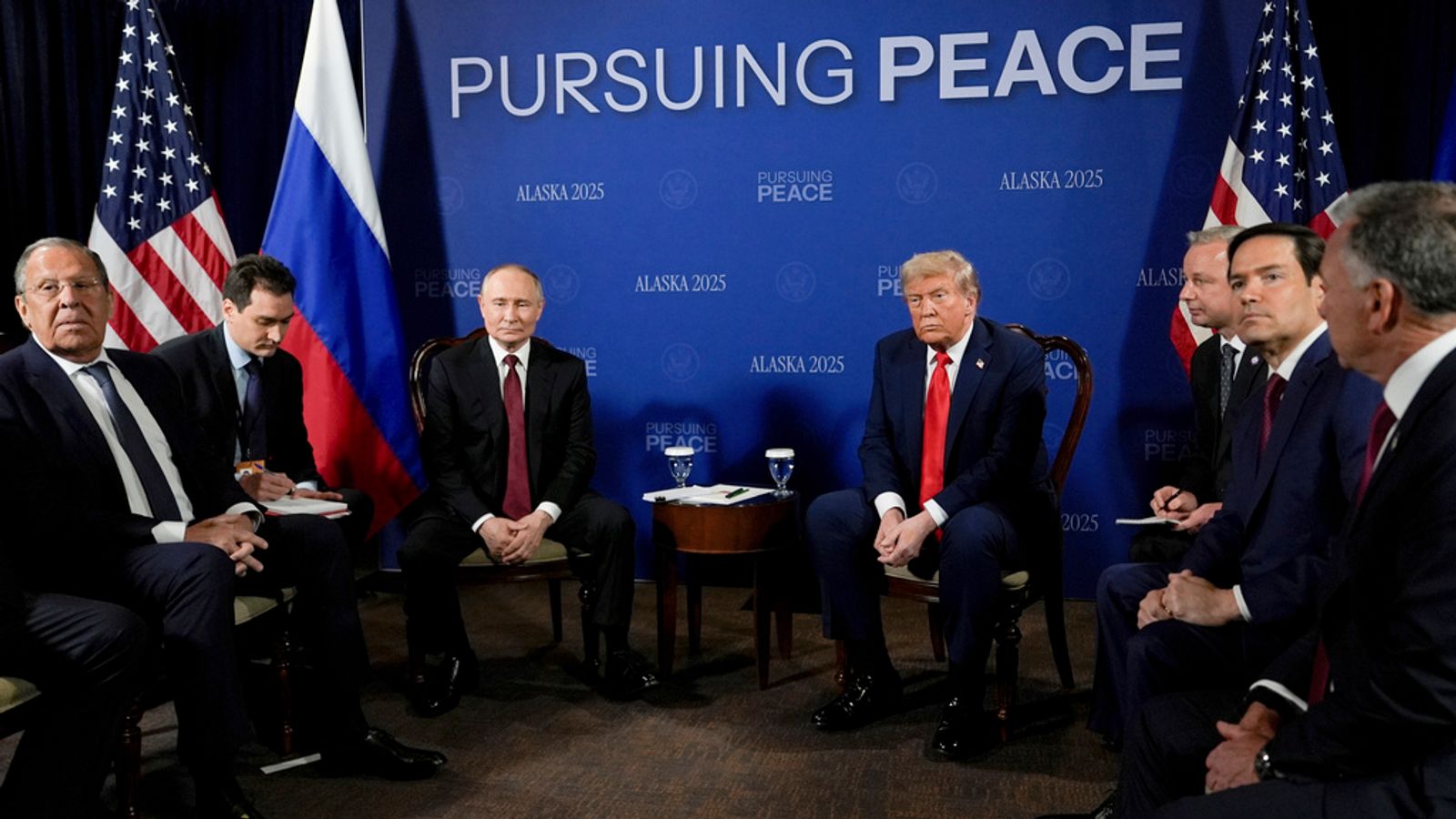
The new fighting derailed a ceasefire promoted by U.S. President Donald Trump that ended five days of earlier combat in July. It had been brokered by Malaysia and pushed through by pressure from Trump, who threatened to withhold trade privileges unless Thailand and Cambodia agreed. It was formalized in more detail in October at a regional meeting in Malaysia that Trump attended.
Trump announced this past Friday that the two countries had agreed at his urging to renew the ceasefire, but Thai Prime Minister Anutin Charnvirakul denied making any commitment and Cambodia announced it was continuing to fight in what it said is self-defense.
—
Associated Press writers Grant Peck and Wasamon Audjarint in Bangkok contributed to this report.



 English (US) ·