
 3 weeks ago
34
3 weeks ago
34
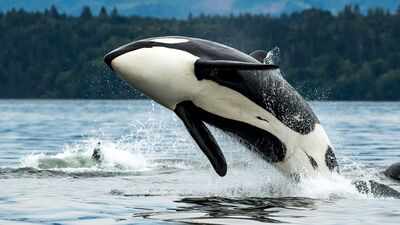
California is taking a closer look at one of the Pacific coast’s most iconic and imperilled animals: the southern resident killer whale. State wildlife officials are now gathering public input on whether these orcas should be formally listed as endangered under the California Endangered Species Act (CESA), a move that would add a new layer of protection for a population already in serious trouble.Southern resident killer whales were listed as endangered under the U.S. federal Endangered Species Act (ESA) in 2005, and their numbers remain alarmingly low. As of 2024, the population was estimated at just over 70 individuals, highlighting how close they are to the brink. These whales are highly social, long‑lived animals that depend heavily on Chinook salmon for food. When salmon runs decline, the whales struggle to find enough to eat, leading to malnutrition and undermining efforts to rebuild the population.Alongside food shortages, they face other major threats, like: Vessel noise and disturbance, which interfere with their ability to use sound to hunt, communicate and navigate. Chemical contaminants, which can build up in their bodies and disrupt immune and reproductive systems. The combined effects of these stressors, which together make recovery even harder.
How the California petition began
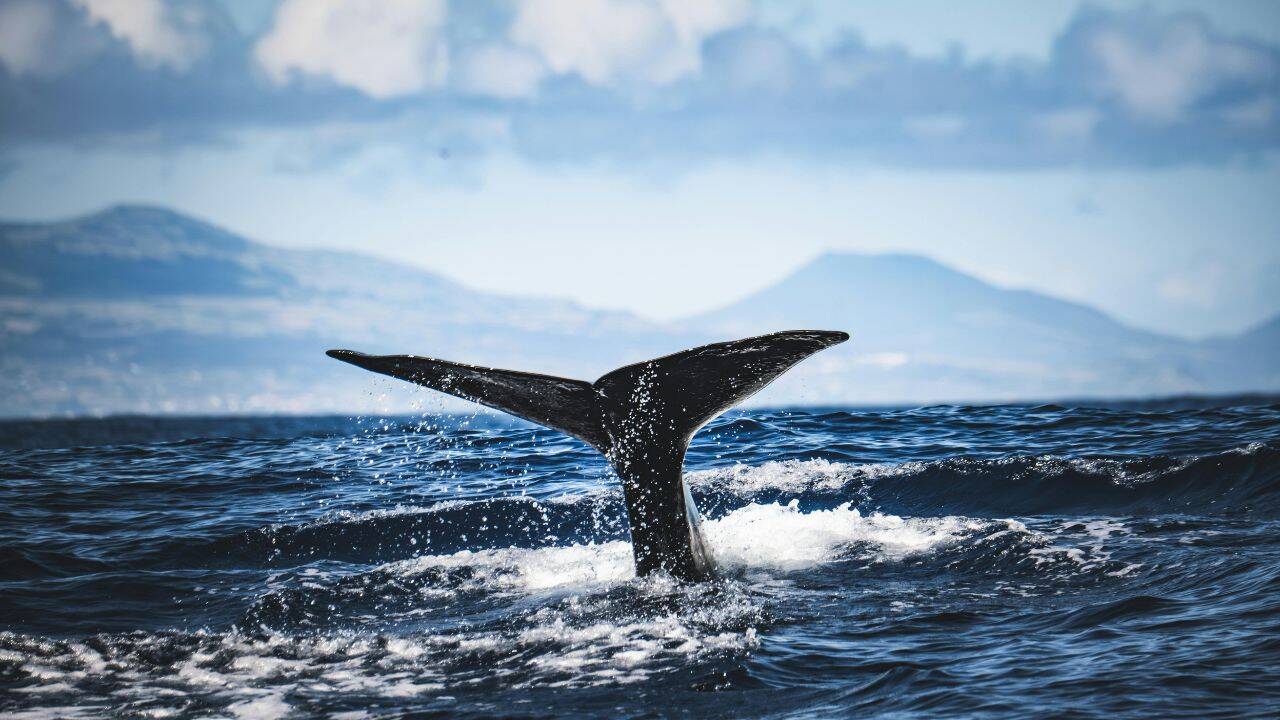
Representative image
The push to add state‑level protections in California began in November 2025, when the nonprofit Orca Conservancy submitted a formal petition to the California Fish and Game Commission.
The petition asked the commission to list southern resident killer whales as endangered under CESA, arguing that California’s coastal waters are a meaningful part of the whales’ range and that state recognition could strengthen conservation tools.In April 2026, the California Department of Fish and Wildlife (CDFW) issued a report evaluating the petition. The department concluded that there is sufficient scientific information to show that listing the southern residents under CESA “may be warranted”, which is the legal threshold needed to advance the process.
In simple terms, CDFW said the evidence is strong enough that a reasonable person could see a substantial possibility that endangered‑species listing will ultimately be appropriate.At the same time, CDFW noted a complication: the federal government has not transferred conservation authority for southern resident killer whales to the state. That means California must be careful that any new state regulations do not conflict with federal laws, including the Marine Mammal Protection Act and existing ESA protections.
Other states have already acted
California is not the first Pacific coast state to consider state‑level endangered status for southern residents. In 2004, the state of Washington listed the southern resident killer whales as endangered under its own law. In 2024, the state of Oregon followed suit, adding the whales to its endangered‑species list.Those decisions reflect the whales’ regular presence along the entire coast of the Salish Sea and Pacific Northwest, not just in Washington and British Columbia.
Orca Conservancy points out that California is also important to southern residents: they travel along the California coast, especially in winter, often following Chinook salmon runs southward.Despite the whales’ long‑standing federal endangered status, California has so far lacked state‑specific protections that recognise this particular population’s precarious situation. The current process is meant to address that gap.
Salmon, lawsuits and the struggle to feed
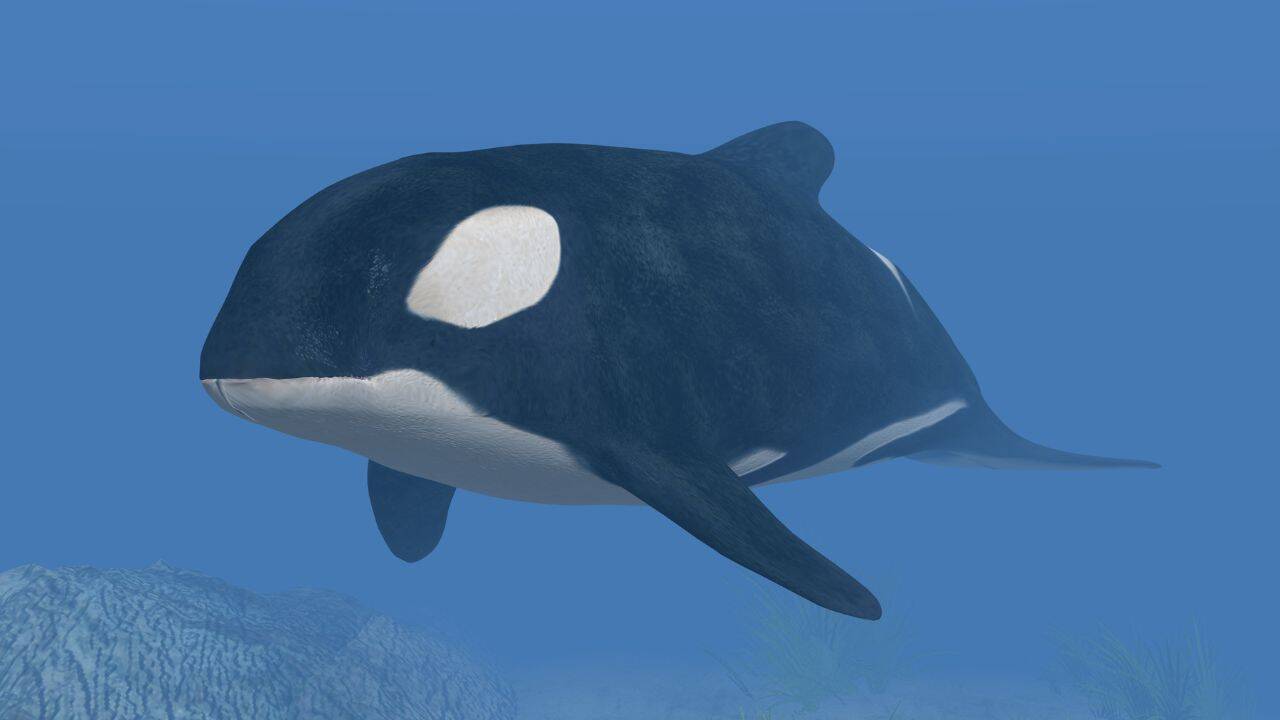
Killer Whale (Representative image)
The tight link between southern residents and Chinook salmon has already led to major debates over commercial fishing.In 2023, a lawsuit brought in federal court nearly shut down commercial salmon fishing in Southeast Alaska. A judge ruled that NOAA Fisheries had not adequately considered how salmon harvests might reduce prey availability for southern resident killer whales. For a time, this raised the possibility that fishing would be halted to protect the whales.A subsequent ruling allowed commercial fishing to continue temporarily while NOAA updated its documentation. In 2024, NOAA Fisheries issued a new biological opinion that permitted ongoing fishing under revised conditions. The case underscored how tightly linked the fate of southern residents is to salmon management decisions, even far from their core range.For California, which also manages salmon runs and coastal fishing, recognising southern residents as endangered at the state level could bring more attention and scrutiny to how policies affect the whales’ access to prey.
Candidacy status and the next steps
On 17 June 2026, the California Fish and Game Commission voted to grant candidacy status to the southern resident killer whale under CESA. This means that the commission formally accepted the petition for consideration. It determined that the information provided, combined with CDFW’s evaluation and public input, shows a substantial possibility that listing could be warranted. As a candidate species, southern residents now receive the same legal protections as threatened or endangered species during the review period.Orca Conservancy described the decision as a milestone, noting that California now formally recognises that southern residents may require state‑level endangered protections. They emphasised California’s role in the whales’ life cycle, particularly during salmon‑driven coastal migrations.From here, CDFW has one year, from the date of the candidacy notice, to complete a full status review. This review will compile scientific data, public comments and other information to advise the commission on whether listing the whales as endangered under CESA is ultimately warranted.To inform that review, CDFW is now inviting data and public comments, and has asked that submissions be sent by 10 September 2026. Members of the public, scientists, advocacy groups and other stakeholders can share information about threats, sightings, habitat use, and potential conservation measures.
Why state listing matters
Southern resident killer whales already have federal endangered status in both the United States and Canada, along with designated critical habitat and various recovery measures. So why does a California state listing matter?Potential benefits include: Stronger, clearer recognition of their endangered status within California law; additional management tools for addressing local threats, such as vessel noise, pollution, and specific salmon management decisions; and improved coordination with Washington and Oregon, which already list southern residents as endangered and share responsibility for the whales’ coastal range.With only about 70 southern resident killer whales left, every layer of protection and every improvement in how we manage noise, pollution and prey availability can make a difference to their long‑term survival.As California weighs this decision, the state is effectively asking its residents, scientists and communities: should we formally recognise these orcas as endangered here too, and what responsibilities will we take on if we do?Thinking about this, what do you see as the most important action (reducing vessel noise, cleaning up chemical pollution, or improving salmon runs) to give southern resident killer whales a better chance at survival along the West Coast?









 English (US) ·