
 2 weeks ago
21
2 weeks ago
21
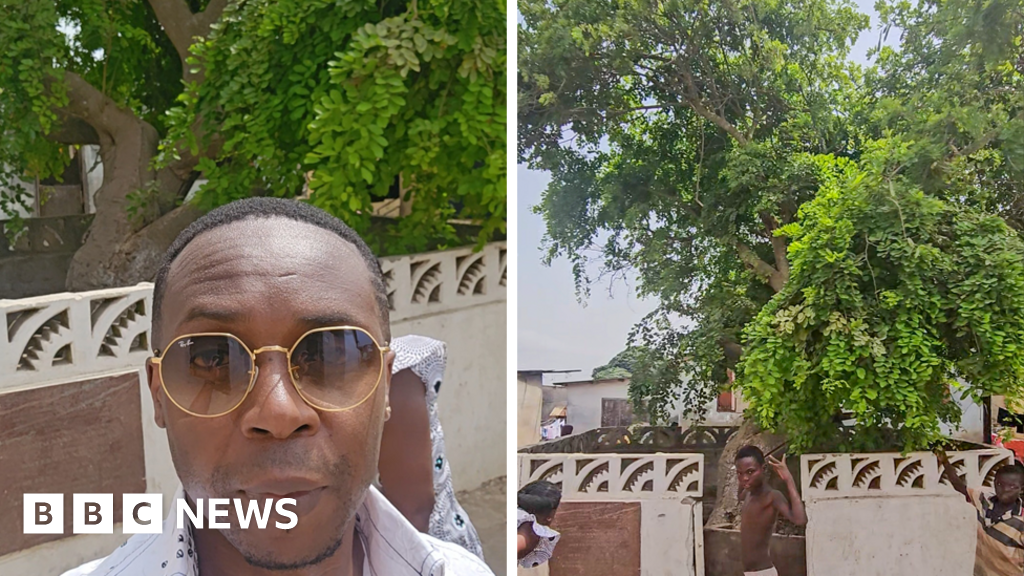
Eric Wainaina, a motorcycle taxi driver in Nairobi, Kenya, was already bracing for a loss in income when the rainy season hit in March, but the war on Iran, which erupted on 28 February, has also taken its toll.
Kenya is the latest in a series of African nations to experience the economic fallout caused by the United States and Israel’s assault on Iran, with rising energy prices leading to spiralling costs for businesses, small and large, across the continent.
Recommended Stories
list of 3 items- list 1 of 3As Iran crisis drags on, fears of global food catastrophe grow
- list 2 of 3‘Particularly badly exposed’: How the Iran war is hitting the UK
- list 3 of 3Strait of Hormuz blockade and other major naval sieges in modern times
Wainaina works six days a week, usually starting at 6:30am, to help support a wife and three children. Before the war, he would drive up to 180km a day, but now, due to rising energy costs, he covers only 90km, resulting in his monthly income dropping by half.
“We can’t work as much as we usually would because the price of petrol is so high,” he told Al Jazeera.
Soaring energy prices have seen winners and losers on the African continent, with oil-rich nations enjoying huge windfalls, while resource-sparse nations are paying the price, resulting in mounting deficits and subsidy costs.
The crisis could see Kenya, which falls in the latter category, seek a loan of up to $600m from the World Bank, according to Bloomberg, as it attempts to shield its economy from the shocks of the global energy crisis. Fuel prices have already surged there, with the price of a litre of diesel rising during the war by 24 percent to about $1.60, with the higher cost of filling car and motorcycle tanks having a profound effect on Kenyans’ everyday lives.
“Normally, I’d get 20 to 30 customers a day, but now I’m getting fewer than 10,” said Wainaina. “Passengers can’t afford it anymore. I’ve had to significantly increase fares because of the rise in petrol prices and the wet season. Usually, I’d only charge slightly higher fares due to the heavy rain.”
If the situation doesn’t improve soon, Eric says he and his family might be forced to live on land inherited from his grandfather in the rural hinterlands of Kenya. He expects other relatives to do the same, even if it means making a new life in makeshift homes and a lower standard of living.
The Iran war has triggered what the International Energy Agency (IEA) describes as the most severe oil supply shock in history.
Goldman Sachs estimates that the massive disruption of trade in the Strait of Hormuz, along with attacks on regional energy infrastructure, has reduced global oil production by 14.5 million barrels per day – equivalent to a 57 percent decline.
Africa’s import dependence
Despite being one of the world’s largest oil-producing regions – accounting for roughly 12 percent of global reserves – Africa still imports more than 70 percent of its refined fuel, according to the Africa Finance Corporation (AFC), a multilateral financial institution created by African states. This left many nations there, particularly those like Kenya with no or few biocarbon reserves, exposed to market volatility, when the Iran war broke out.
Last month, the AFC warned that the continent is on course for an 86-million-tonne fuel shortfall by 2040, underscoring the widening gap between domestic production capacity and growing energy demands.
Insufficient refining capacity is another of Africa’s biggest energy challenges. In its 2026 outlook report, the African Energy Chamber cautioned that the continent might struggle to fully capitalise on its vast oil reserves if it continues exporting low-value crude while importing high-value refined products.
Yet, Africa’s energy woes are not isolated to the continent but part of a wider trend affecting countries across the world, Amaka Anku, head of Eurasia Group’s Africa practice, told Al Jazeera.
“When you have a global shock like this, it affects everyone. The media has this very narrow framing that Africa is going to be impacted the worst. However, rising inflation is hurting us all,” she said.
“It’s not an Africa story – it’s a global story. For instance, the supply chain shock has been worse in Asia due to its dependence on the Gulf for petroleum products.”
Nigeria, Africa’s largest oil producer and exporter, has benefitted from a surge in energy prices, boosting its export revenues. US investment firm Vanguard reported last month that Nigerian oil companies had earned a $4bn windfall from the rise in oil prices. Its analysis found that Nigerian Bonny Light crude had risen by 66 percent since the start of the Iran war, from about $70.14 per barrel to an average of $116.84, while other African countries could benefit from growing demand for minerals.
“Nigeria is seen as one of the winners of the war. If you’re an oil company in Nigeria, it’s going to be easier to raise cash for investments. The Democratic Republic of [the] Congo is also benefitting in some ways because it has the critical minerals that will be needed to replace US defence systems that have been destroyed in the Iran war. The conflict has created opportunities that didn’t exist before,” Anku told Al Jazeera.
However, she says Kenya is “quite exposed” to the economic fallout from the Middle East crisis, with the government already facing fiscal pressure ahead of next year’s general election – a situation compounded by the country’s dependence on energy imports from the Gulf.
Alternative sources of investment
Over the past decade, Gulf investment in Africa has surged, with a strong emphasis on the renewable energy sector as MENA states seek to diversify their economies from hydrocarbons. In February, the Clean Air Task Force reported that Saudi Arabia and the United Arab Emirates had made $175bn in funding commitments between 2010 and 2024, largely directed towards renewable energy generation and hydrogen projects. China has also invested heavily in the continent’s renewable energy sector and remains Africa’s single largest investor in green energy.
However, Ebenezer Obadare, a senior fellow at the Council on Foreign Relations focusing on Africa, said that even if the US and Israeli war on Iran has caused financial hardship for some countries on the continent, many will maintain close ties with Washington due to the economic benefits from this relationship.
“A massive shift by African countries towards other international partners seems highly unlikely, and it seems more probable that they will continue to weigh their options. Many African countries, having campaigned for the renewal of the African Growth and Opportunity Act (AGOA), it seems unlikely they will cut ties so quickly after securing reauthorisation until December this year,” Obadare said, referring to the trade programme that provides eligible sub-Saharan African nations with duty-free access to the US market.
“Moreover, a growing number of African countries have signed bilateral agreements with the US as part of the latter’s America First Global Health Strategy, and they may be reluctant to put those agreements at risk. All in all, we may expect the current pattern of deep ties with the US to continue for the foreseeable future, with the important caveat that things could change depending on the course of the war and how long it lasts.”






 English (US) ·