
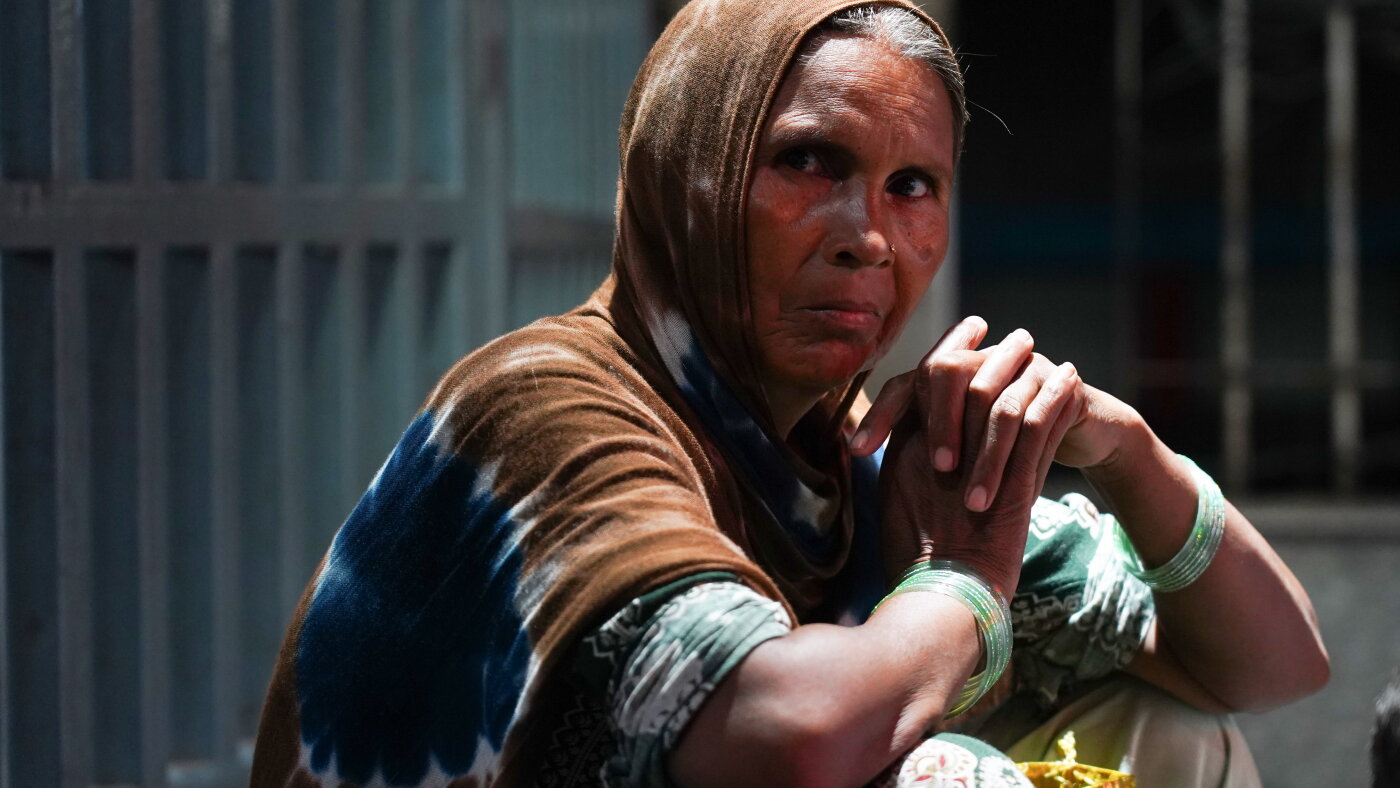
As wells and other water sources dry up, women and girls in Kabul must travel increasingly long distances to secure enough water for their families. Credit: Learning Together. by External Source (kabul)Thursday, October 01, 2026Inter Press Service KABUL, October 1 (IPS) - Drought has depleted wells, withered fruit trees, and reduced crop yields across Afghanistan. The heaviest burden of the water shortage falls on women in their daily lives, as they must fetch water from increasingly distant sources and use every single drop with extreme care. More than half of Afghanistan is suffering from a prolonged drought and water shortage. The situation is critical in 19 provinces. Authorities predict the crisis will worsen. For instance, the capital, Kabul, is projected to lose the majority of its groundwater by 2030. In the northern province of Faryab, 90 percent of the area is already affected by drought.Water scarcity and poor harvests are further exacerbating Afghanistan’s food crisis. According to the UN World Food Programme, as many as 17.4 million people are in urgent need of food assistance.Wells, springs, and groundwater sources are drying up. In some households, the water level in...
Afghanistan’s Drought Deepens, and Women Bear the Heaviest Burden
 2 weeks ago
34
2 weeks ago
34
Related

Brad Paisley and wife pledged $1 million for a free grocery ...
31 minutes ago
0



Popular


Oil prices rise as Chinese refiners reportedly ban October f...
2 weeks ago
238

OpenAI fires workers for mishandling 'sensitive information'...
2 weeks ago
224

CNBC Daily Open: Three’s a crowd: U.S. carrier buildup in Mi...
2 weeks ago
222

Meet the seventh-grader who found psyllium could remove 93.3...
2 weeks ago
214
 English (US) ·
 © Clint's World News 2026. All rights are reserved
