
 1 month ago
50
1 month ago
50
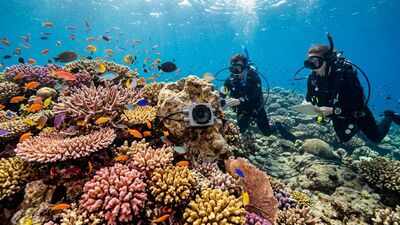
The decline of coral reefs is often described through bleaching events, rising sea temperatures and fading marine life. Less attention is paid to something that disappears at the same time: sound.
A healthy reef is rarely quiet. Snapping shrimp, feeding fish and countless other marine animals create a constant underwater backdrop that helps young fish recognise suitable places to settle. When reefs deteriorate, that soundscape fades along with the wildlife. A group of British and Australian scientists decided to test whether restoring the missing noise, rather than the coral itself, could influence fish behaviour.
Their experiment suggested that even an artificial soundtrack might encourage marine life to return to damaged habitats, offering an unusual addition to reef restoration efforts.
The hidden role of underwater sound in reef ecosystems
Life beneath the surface depends on more than sight. Young fish drifting through the ocean rely on different signals before choosing where to spend the next stage of their lives, and underwater sound appears to be one of them.Living reefs generate a remarkably varied mix of natural noises.
Small crustaceans produce rapid crackling sounds, while fish contribute grunts, pops and calls that blend into a distinctive acoustic environment. Those sounds become part of the environmental cues that juvenile fish use while searching for a suitable reef.Once coral communities suffer widespread damage, that familiar background largely disappears. Fewer fish remain, shrimp populations decline and the underwater environment becomes noticeably quieter.
Underwater loudspeakers turned silent reefs into living soundscapes
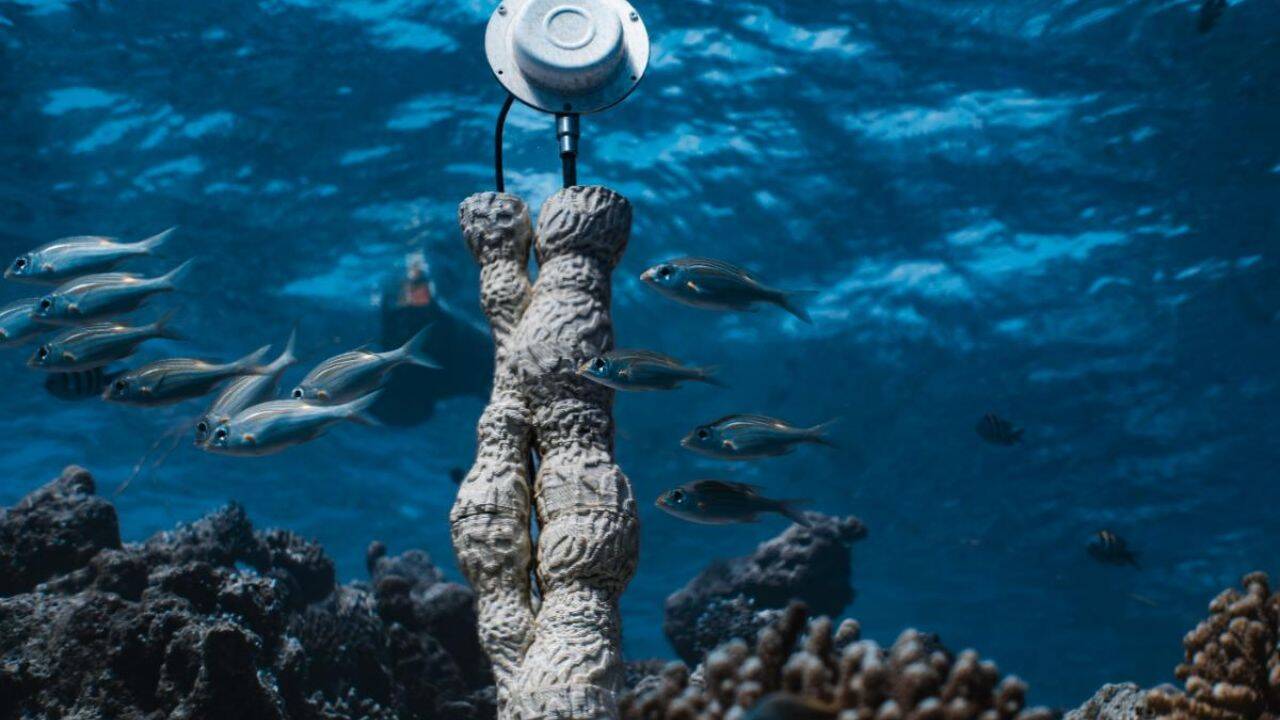
PC: ibtekr
The field experiment took place in a lagoon within Australia's Great Barrier Reef during the fish recruitment season, when young fish begin settling onto reefs after drifting in open water.Instead of working directly on natural reef structures, the team built a series of experimental reef patches from dead coral placed on sandy seabeds a short distance away from existing reefs. Some patches were fitted with underwater loudspeakers playing recordings captured from thriving coral reefs over several weeks.
Others contained inactive speakers, while a separate group received no equipment at all. This arrangement allowed the scientists to compare whether sound alone affected where juvenile fish decided to settle.
More fish gathered where healthy reef sounds were played
As the weeks passed, the patches broadcasting recordings consistently attracted greater numbers of young fish than the silent comparison sites.The experiment showed that fish numbers roughly doubled around the acoustically enriched reefs.
Species diversity also increased, with a broader mix of herbivores, scavengers and predatory fish appearing in those locations. Rather than briefly investigating before leaving, many of the newcomers remained around the restored soundscape throughout the observation period.The pattern suggested that natural reef sounds do more than simply draw attention. They may encourage fish to treat an area as a suitable long-term habitat, even when the coral itself has already suffered extensive damage.
Ecological role fish play in reviving damaged coral reefs
Healthy coral reefs depend on many different fish species carrying out everyday ecological tasks. Grazing fish remove algae that might otherwise overwhelm recovering corals. Scavengers recycle organic material, while predators help maintain balanced food webs.Without those interactions, damaged reefs often struggle to recover naturally. Bringing fish back does not repair dead coral on its own, yet rebuilding those animal communities may improve conditions that support future recovery. The sound experiment was designed with that broader ecological process in mind rather than as a direct solution to coral loss.







 English (US) ·