
 3 hours ago
8
Proposing a non-aggression pact amid regional hostilities may seem premature. Yet agreements to stop war matter most when distrust is the deepest. The key question is whether regional governments can agree on rules that make their disagreements less destructive.In a recent lecture at Cambridge University in the UK, Oman’s Foreign Minister, Sayyid Badr Albusaidi, called for a non-aggression pact among all eight Gulf littoral states: the six members of the Gulf Cooperation Council along with Iraq and Iran. He described it as the essential prerequisite for an inclusive regional security architecture.Could such a pact work? As Albusaidi conceded, it would be hard to achieve. But as another major escalation looms between Iran and the United States, the region urgently needs a diplomatic path forward.Indeed, the ongoing conflict has proved so hard to resolve because the region’s security arrangements have remained underdeveloped, relying for too long on external powers. The way forward then can be an inclusive agreement.Reviving the promise of 1976The Omani proposal is anchored in a historic precedent. In November 1976, the foreign ministers of all eight Gulf littoral states met in Musca...
Related

Kennel Worker Challenges £1.1m Will After 34 Years Caring fo...
46 minutes ago
6

Marquez wins Malaysian Grand Prix to close in on retaining c...
54 minutes ago
5


Bangladesh forms wage board as garment workers protest
2 hours ago
9

No, France is not ‘burning’
2 hours ago
8
Popular

Two Houthi missiles target Yemen’s Aden International Airpor...
3 weeks ago
701

JPMorgan makes bullish call in fixed income space, suggests ...
3 weeks ago
581
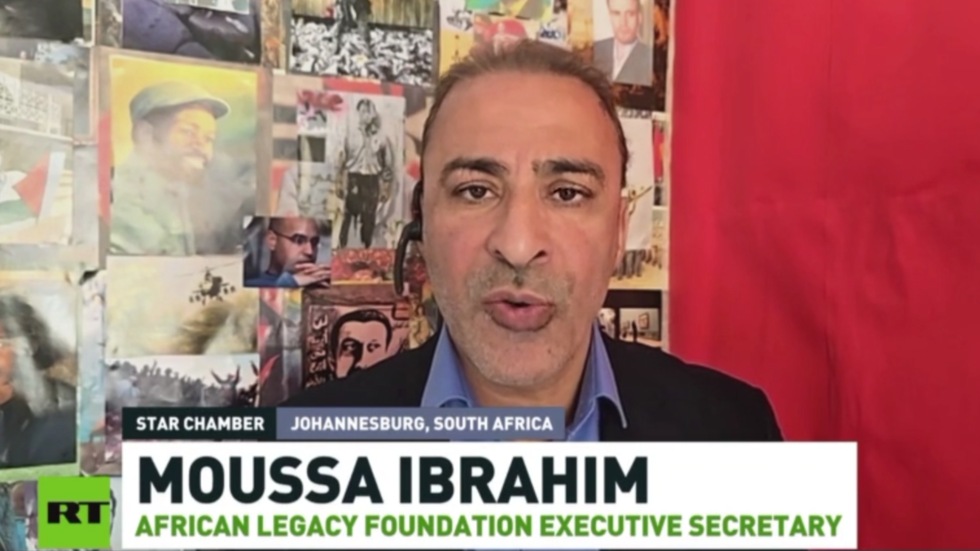
ICC ignored ‘very well-documented’ NATO crimes – ex-Libyan m...
2 weeks ago
542

Intel, Broadcom CEOs warn capital crunch could become AI's b...
2 weeks ago
523

All B-1 bombers withdrawn from British air base amid Iran-ba...
3 weeks ago
484
 English (US) ·
© Clint's World News 2026. All rights are reserved
