
 1 month ago
38
1 month ago
38
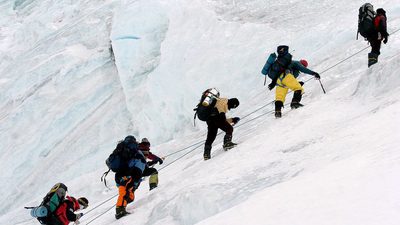
Nepal’s tourism industry is facing one of its most serious controversies in years after police uncovered a $20 million insurance fraud scheme linked to Mount Everest trekking routes.
Authorities say a network of guides, trekking agencies, helicopter operators and medical personnel worked together to exploit international travellers by deliberately inducing illness and orchestrating unnecessary emergency evacuations. The case, which has led to charges against 32 individuals, has raised urgent questions about oversight, ethics, and safety in one of the world’s most iconic adventure destinations, where thousands of trekkers arrive each year seeking a once-in-a-lifetime experience.
How the Everest poisoning scam worked
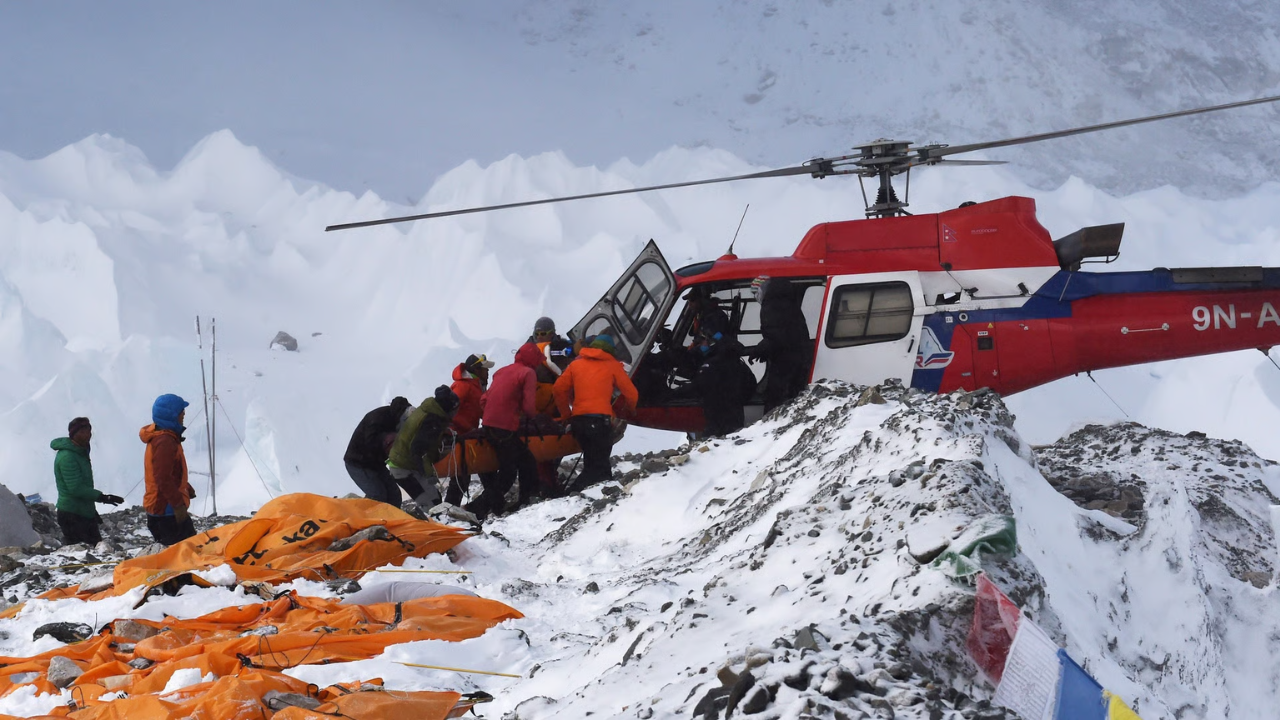
Investigators say some trekking guides tampered with tourists’ food, adding substances such as baking soda to trigger gastrointestinal distress. The symptoms, including vomiting, nausea, and weakness, closely resemble altitude sickness, a genuine and potentially fatal condition in high-altitude environments.Once trekkers fell ill, they were pressured into emergency helicopter evacuations, often presented as life-saving necessities.
They were then transported to partner hospitals or clinics, where diagnoses were exaggerated or fabricated, and in some cases followed by inflated or unnecessary treatment protocols. Authorities state the aim was to create a convincing medical emergency so that insurance providers would approve costly evacuations and treatments without delay.
Forged documents and insurance payouts
At the centre of the case is a system of fraudulent documentation.
Police say those involved falsified medical reports to justify evacuations and created or altered flight records and invoices to support the claims. These documents were then used to coordinate with insurers and secure rapid reimbursement.Investigators estimate the network generated approximately $19.69 million in insurance payouts, making it one of the largest fraud cases linked to Himalayan tourism. A police official described the operation as “organised and systematic,” involving multiple stakeholders across the trekking and rescue chain.
Who has been charged
Nepali authorities have charged 32 individuals under organised crime and fraud provisions. Those accused include trekking agency owners and guides, helicopter company operators, as well as hospital administrators and medical staff.The range of roles suggests the scheme was not isolated but depended on coordination across different parts of the tourism ecosystem, pointing to a deeply interconnected network.
Why helicopter rescues are vulnerable to abuse
Helicopter evacuations in the Everest region are both essential and expensive, often serving as the only viable rescue option in emergencies. A single evacuation can cost thousands of dollars and is frequently covered by international travel insurance.Because decisions must be made quickly due to harsh terrain and limited infrastructure, there is often little time for insurers to verify claims in real time. This combination of urgency and high cost reduces scrutiny, making the system vulnerable to exploitation.
Impact on trekkers and tourism
The case has raised serious concerns about trust and safety for travellers. Tourists may now question whether medical advice given during treks is genuinely in their best interest or influenced by financial incentives. This uncertainty could affect Nepal’s reputation as a safe trekking destination.Tourism is a critical pillar of Nepal’s economy, and any erosion of confidence could have wide-reaching consequences.
Ethical operators, who follow proper standards, may also find themselves affected as the controversy casts a shadow over the broader industry.
A broader pattern of concern
The case also highlights ongoing concerns in high-altitude tourism, including overcrowding on Everest routes, increasing commercialisation of expeditions, and limited regulatory oversight in remote regions.While most guides and operators follow professional standards, authorities say this case exposes systemic vulnerabilities that can be exploited at scale, particularly when multiple stakeholders are involved.The accused now face legal proceedings in Nepal, with potential penalties under organised crime and fraud laws. Investigators are examining whether additional victims may come forward and whether insurance companies will pursue recoveries or compensation claims.As the investigation unfolds, the case is likely to reshape how insurers, tourists, and authorities approach high-altitude travel, where the line between genuine emergency and manufactured crisis is not always as clear as it should be.







 English (US) ·