
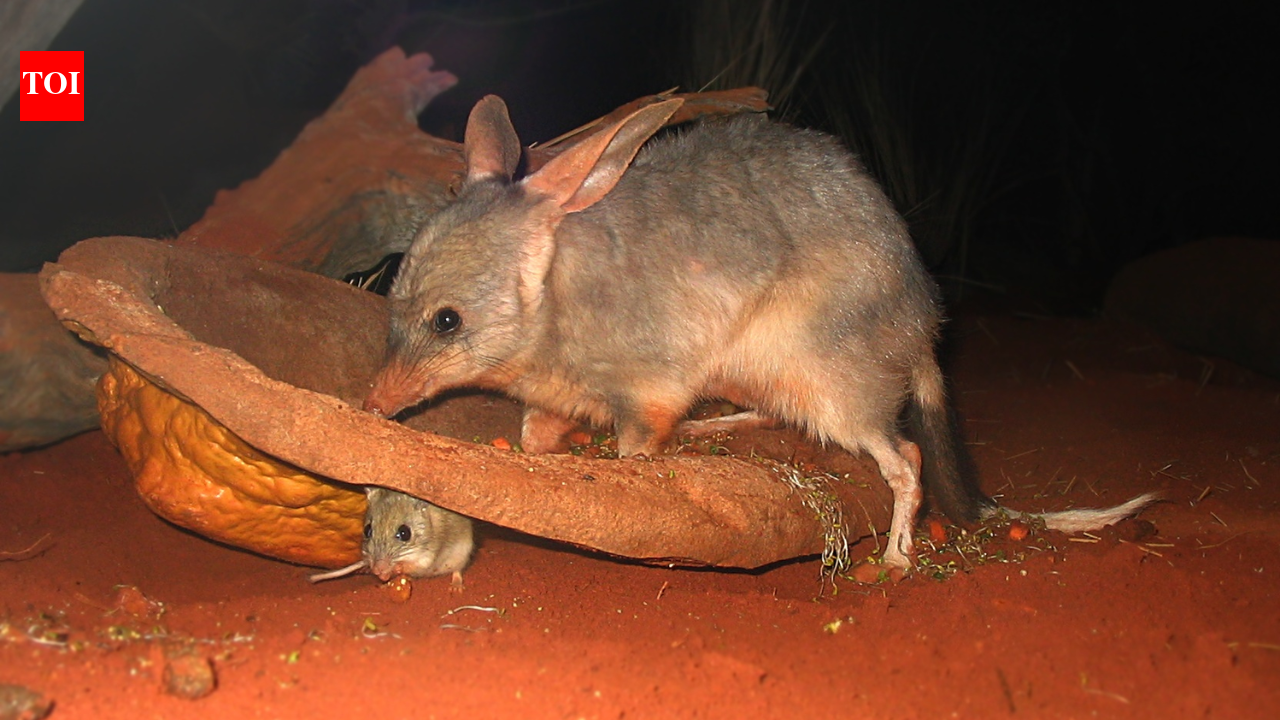
PossumsRepresentative image In 1837, New Zealand introduced Australian brushtail possums in the hope of building a profitable fur industry. The animals were expected to provide valuable pelts and help create a new rural economy, but the experiment had consequences that stretched far beyond anyone’s expectations. Nearly two centuries later, possums have become one of the country’s most damaging introduced pests, feeding on native plants, competing with wildlife and spreading disease. New aerial photographs from a rare South Island forest now show the scale of the problem in dramatic detail. About half of the forest’s vulnerable trees have been damaged, with possums stripping foliage and weakening the canopy from above. As reported by New Zealand’s Department of Conservation, the images offer a stark visual warning of how a decision made in the 19th century continues to reshape native ecosystems today.A fur trade experimentThe first possums were brought to New Zealand in the 19th century as part of an effort to establish a fur industry. Australian brushtail possums had valuable fur, and settlers believed the country’s forests could provide a suitable home for them. At a time when gov...
189 years after import, possums damage half of trees in rare New Zealand forest
 3 weeks ago
41
3 weeks ago
41
Related

🔴 Brazil presidential election heads to runoff with Bolsonar...
31 minutes ago
3




Popular




Serial killer suspicions in South Africa
2 weeks ago
54
 English (US) ·
 © Clint's World News 2026. All rights are reserved
